
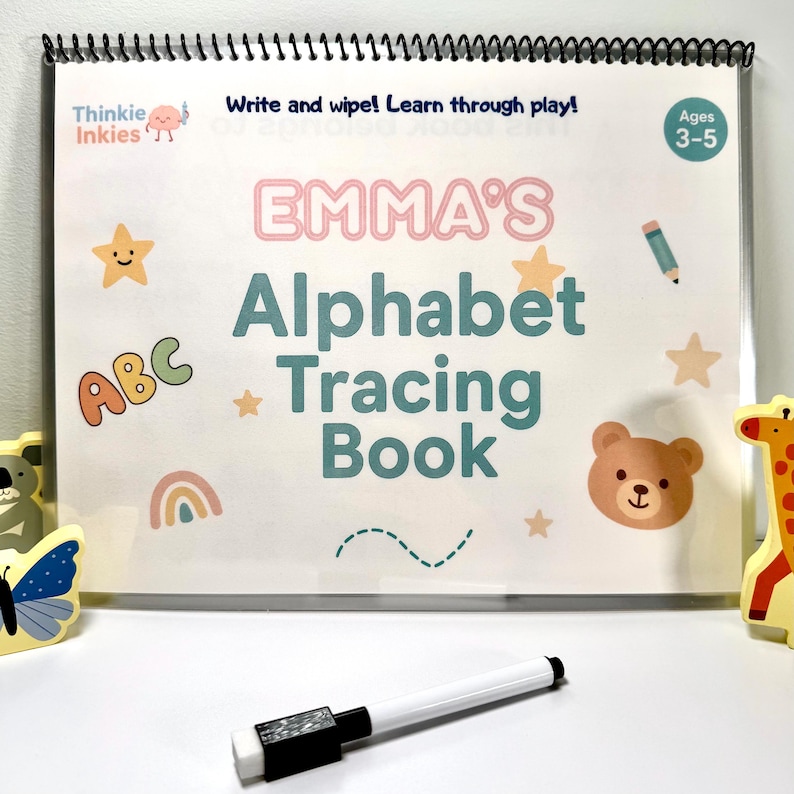
When Should Preschoolers Start Tracing Letters?
Wondering when to introduce letter tracing? Look for interest, offer simple paths first, and use playful alternatives when your child is not ready.
Read the guideThe learning journal
Realistic routines, screen-free play and print-at-home know-how—made for busy parents, curious kids and the moments in between.
Follow new guides via RSS →Wondering when to introduce letter tracing? Look for interest, offer simple paths first, and use playful alternatives when your child is not ready.
Read the guide
Try six simple pre-writing line activities using roads, rain, hills, and pretend delivery routes, with easy ways to adjust the challenge.
Read the guide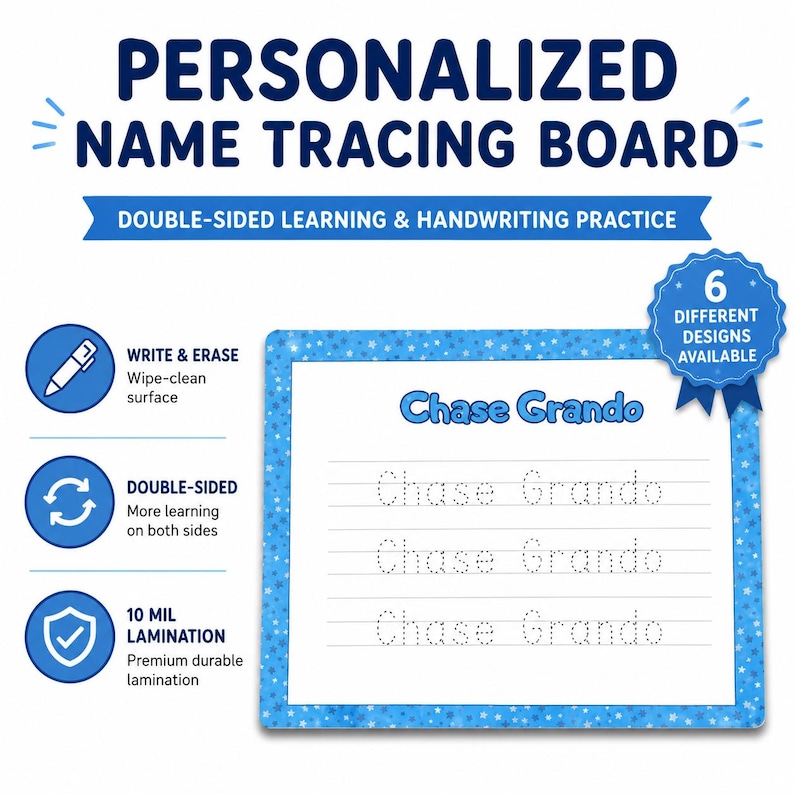
Help your child notice their written name through matching, family labels, and playful searches before asking them to trace or write it.
Read the guide
Make long-name practice manageable with partial attempts, clear models, and real reasons to write, while preserving your child's actual name.
Read the guideCompare uppercase and lowercase practice, introduce useful letter pairs, and coordinate with your child's classroom without turning letters into a race.
Read the guideUnderstand the difference between tracing and copying letters, then try a simple side-by-side activity that leaves room for independent marks.
Read the guide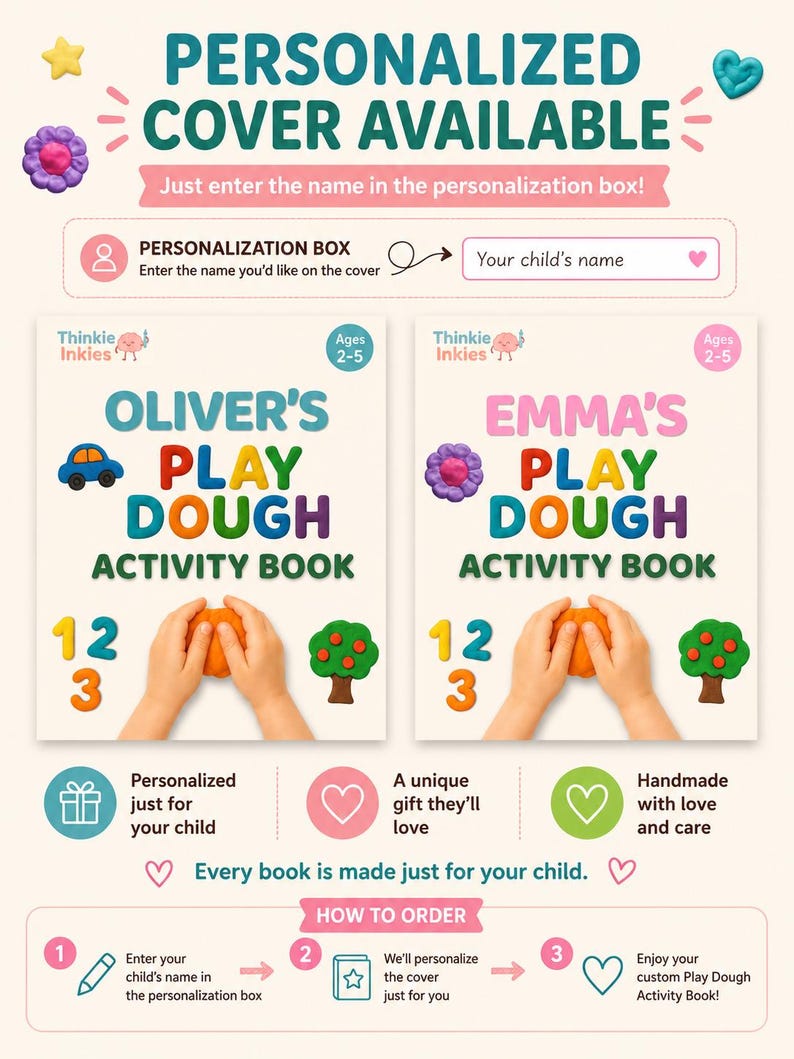
If tracing causes frustration, try seven alternatives that use drawing, stories, movement, and meaningful marks without forcing another worksheet.
Read the guideGive early writing a purpose with pretend menus, tickets, maps, and messages. Children can draw, dictate, scribble, or use familiar letters.
Read the guideTry simple counting games that connect one number word with one object, using toy picnics, parking spaces, and small groups of familiar items.
Read the guide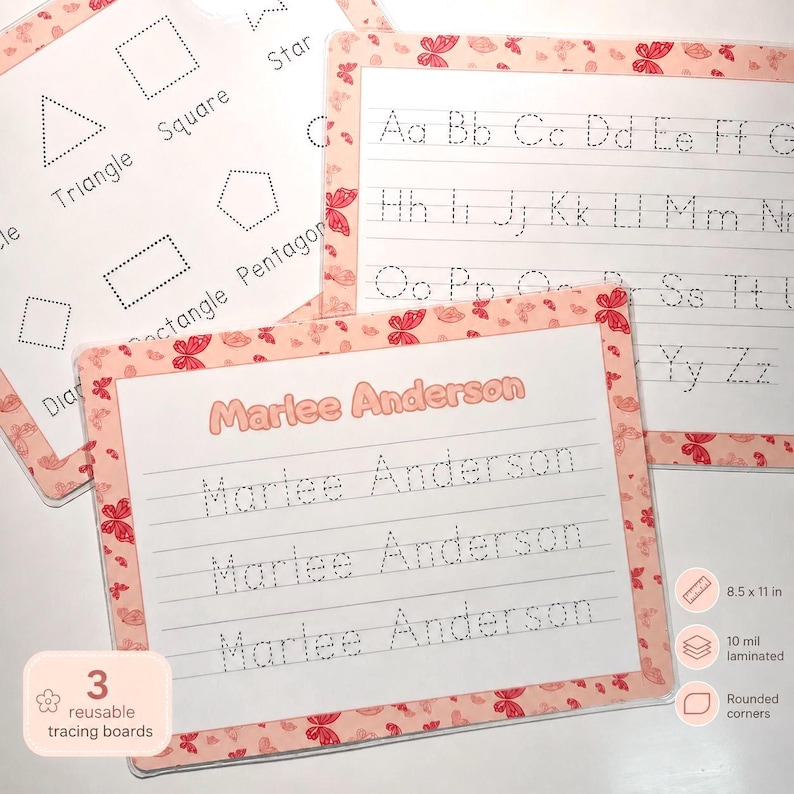
A child may count aloud, recognize numerals, and count objects at different levels. Learn how to connect the three through simple everyday play.
Read the guideExplore shapes by building, turning, comparing, and searching. These preschool activities move beyond naming a picture on a flashcard.
Read the guideSet up simple color sorting with large paper pieces, familiar objects, and two clear groups. No rice bin, tiny counters, or elaborate supplies needed.
Read the guideIntroduce repeating patterns through claps, movements, large shapes, and pretend trains, with clear examples of what actually repeats.
Read the guideExplore letter shapes with rolling, bending, and comparing. These play dough alphabet ideas welcome imperfect letters and child-led designs.
Read the guideUse number mats to connect printed numerals with small quantities. Try counting, comparing, and changing a collection without a timed worksheet.
Read the guideSet up a small pretend bakery with play dough, paper menus, and simple orders. Use the story for counting, describing, and taking turns.
Read the guideCompare guided play, free play, and worksheets, with examples that show where an activity book can fit into a varied preschool day.
Read the guideCreate a short preschool routine with one invitation, one shared activity, and a clear ending. Adapt it to busy days without building a rigid schedule.
Read the guideBuild a quiet-time basket with a few predictable choices, a clear supervision plan, and materials that are easy to put away and use again.
Read the guideHelp a preschooler choose and begin a familiar activity while keeping supervision appropriate. Independence does not have to mean playing alone.
Read the guideUse a small keep, rest, and revisit system to rotate preschool activities, notice real interests, and reduce the pressure to buy something new.
Read the guidePrepare for kindergarten through conversation, everyday routines, play, and asking for help, without treating neat handwriting as the whole goal.
Read the guidePack a few manageable airplane activities for a preschooler, with separate ideas for the gate, a seated wait, and the moment everyone needs a reset.
Read the guideTry low-mess restaurant activities that fit a small table and stop easily when food arrives, including picture searches, drawing, and oral games.
Read the guidePrepare simple waiting-room activities that pause quickly when your name is called, while leaving room for your child's questions and comfort needs.
Read the guideUse no-supplies car games and save hands-on activities for safe stops. This road-trip plan separates seated travel from opportunities to move and play.
Read the guidePack a small preschool busy bag with familiar materials, adult-managed tools, and a reset checklist so it is ready for the next outing.
Read the guide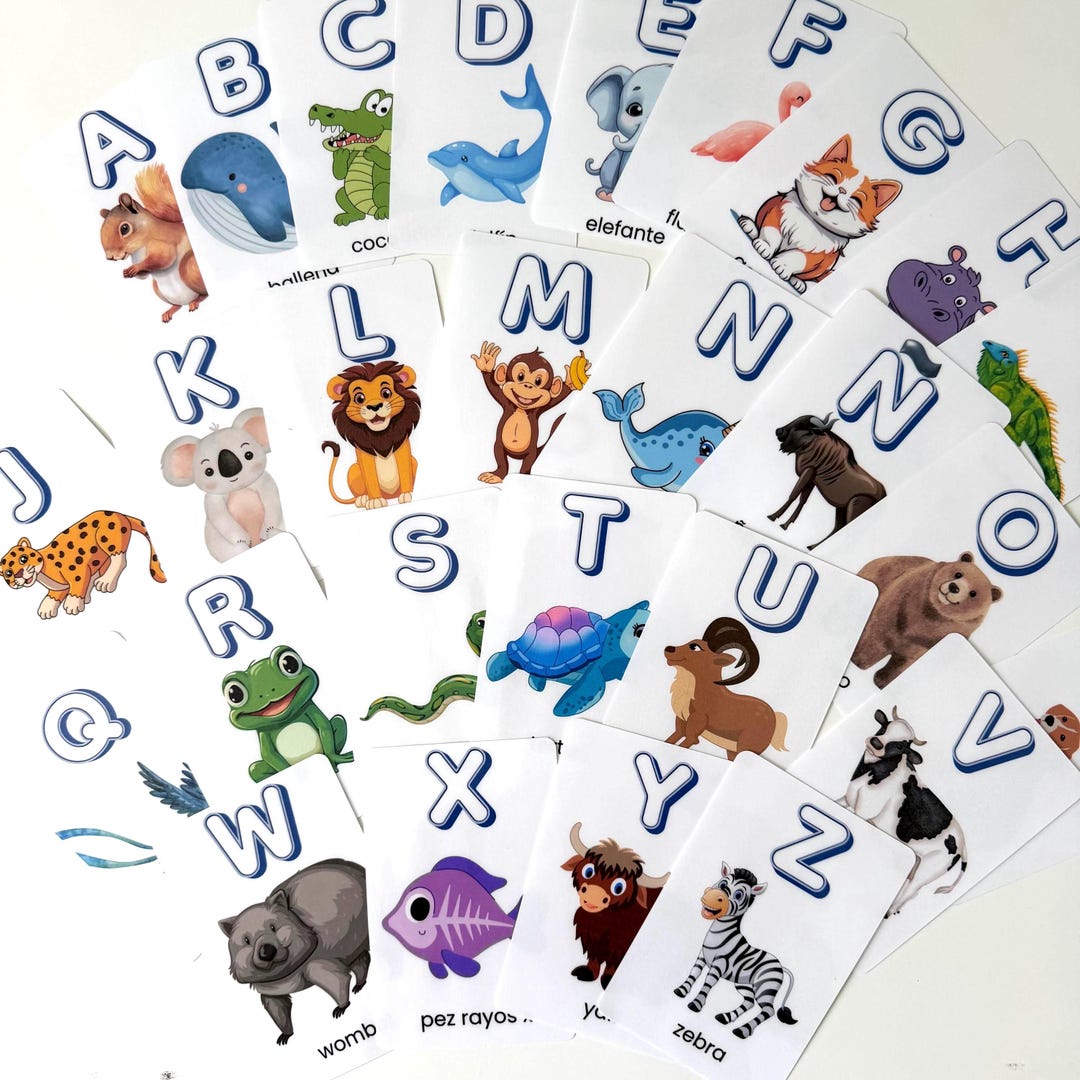
Use Spanish alphabet cards for matching, picture talk, letter searches, and tiny stories, without expecting flashcards alone to teach a language.
Read the guide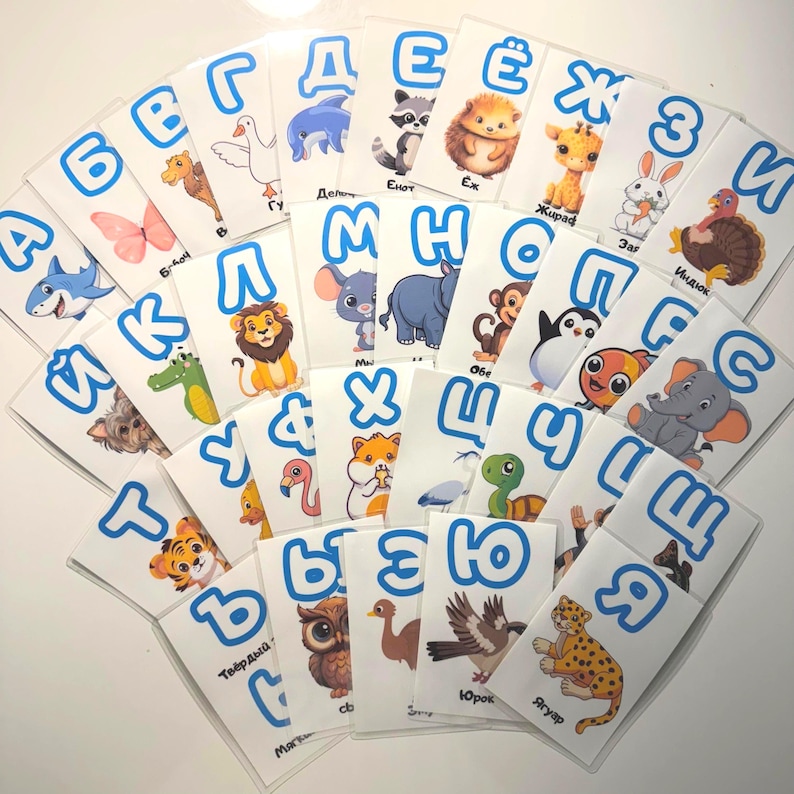
Explore Russian and English letters that share a shape but may represent different sounds, using simple comparisons and familiar names.
Read the guideBuild a flexible bilingual routine with shared books, family messages, songs, and familiar print, while making room for the languages your family uses.
Read the guideTurn a flashcard into a conversation, story, or real-world connection. Learn what a brief labeling game can do and where its limits are.
Read the guideChoose a few relevant learning posters, place them for comfortable shared viewing, and connect each display to something your child actually does.
Read the guideCompare printable resources and ready-made activity books by preparation, flexibility, materials, and total cost before choosing a format.
Read the guidePrint one tracing-card test first, compare full-page and smaller formats, and prepare the surface correctly before giving it to your child.
Read the guideSet up a compact learning corner with a clear surface, a few useful materials, and safe storage. A dedicated playroom is optional.
Read the guideChoose an educational gift for a four-year-old by interest, activity format, and family routine, with practical checks for personalization and use.
Read the guideCompare a personalized activity book, a storybook, and a name board by how the child participates, what preparation is needed, and the likely use.
Read the guideChoose sibling gifts that allow shared play without forcing identical activities, and decide which materials should remain personal to each child.
Read the guideChoose a preschool gift that gives a grandparent and child something enjoyable to do together, whether visits are frequent or occasional.
Read the guideCelebrate preschool graduation with a useful, personal gift and a warm message, without turning the move to kindergarten into a performance goal.
Read the guideTry pumpkin deliveries, ghost parking spaces, and paper costume patterns for simple Halloween counting and sorting without using candy as counters.
Read the guide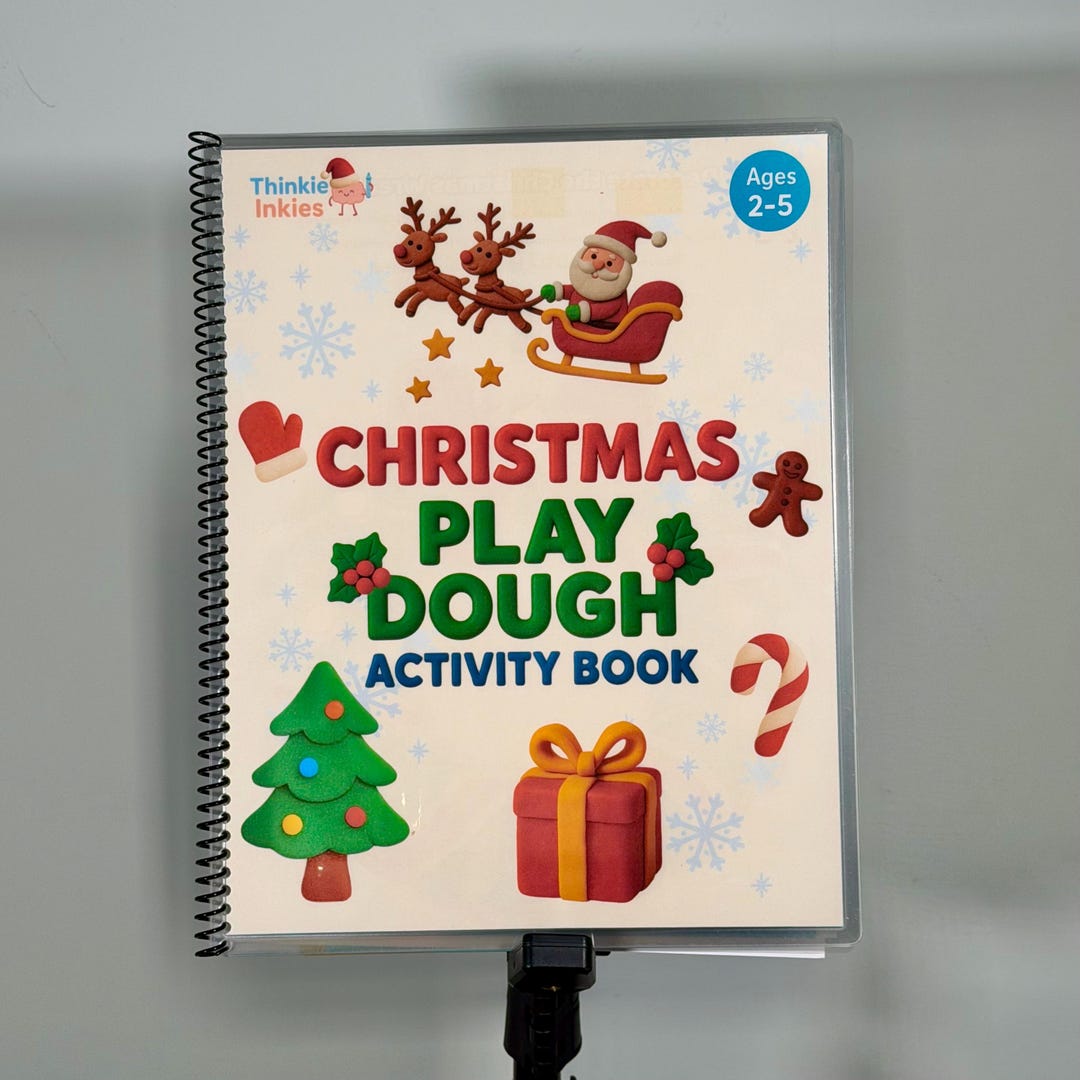
Make a pretend Christmas bakery, decorate a dough tree, and count simple gift shapes with adaptable holiday play dough activities for preschoolers.
Read the guide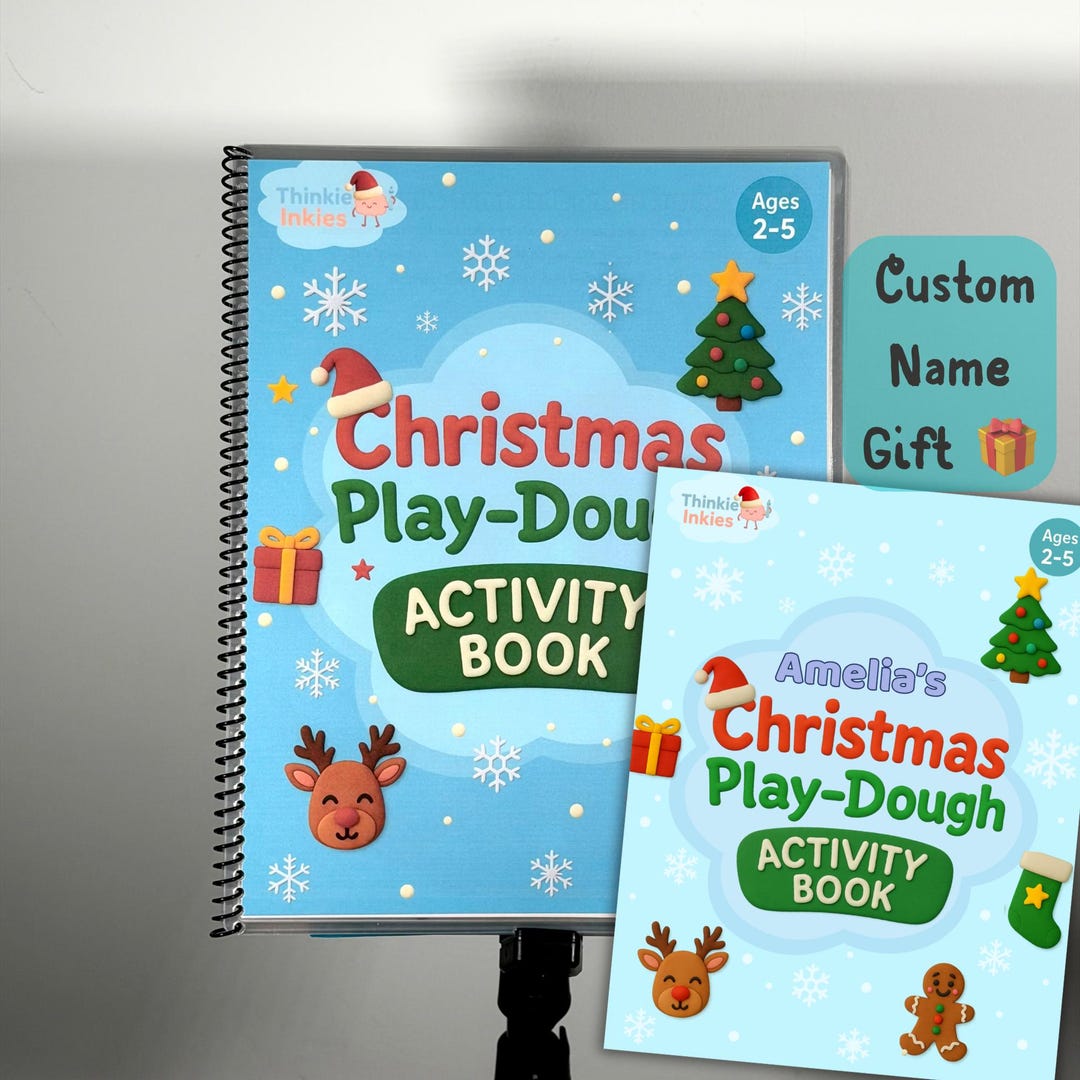
Choose from 24 small Advent activities using stories, drawing, movement, and family connection. This flexible calendar needs no daily purchases.
Read the guideExplore gratitude through drawings, pretend thank-you notes, and real acts of help, without requiring children to produce the right holiday answer.
Read the guideBuild a manageable non-candy Easter basket around one activity, a shared book, and a personal touch, with attention to age and practical use.
Read the guidePlan a flexible summer with stories, useful marks, counting, and everyday routines. Repeat four themes without turning school preparation into homework.
Read the guideCreate a small indoor activity circuit with movement, drawing, building, and storytelling, using clear spaces and materials you already have.
Read the guidePlan a cooperative preschool game night with drawing, guessing, stories, and simple patterns. Most games need only paper or your imagination.
Read the guideBuild a calm, repeatable name tracing routine with short sessions, playful prompts, and practical ways to keep early writing pressure-free.
Read the guideLearn how to set up, use, clean, and rotate write-and-wipe activities for low-mess practice with letters, numbers, shapes, and names.
Read the guideFill a week with easy screen-free toddler activities using paper, household objects, play dough, reusable books, movement, and imagination.
Read the guideUse rolling, pinching, pressing, cutting, and pretend play to create a week of simple play dough activities with minimal preparation.
Read the guideChoose a thoughtful educational gift for a two- or three-year-old by matching the format, family routine, personalization, and storage needs.
Read the guide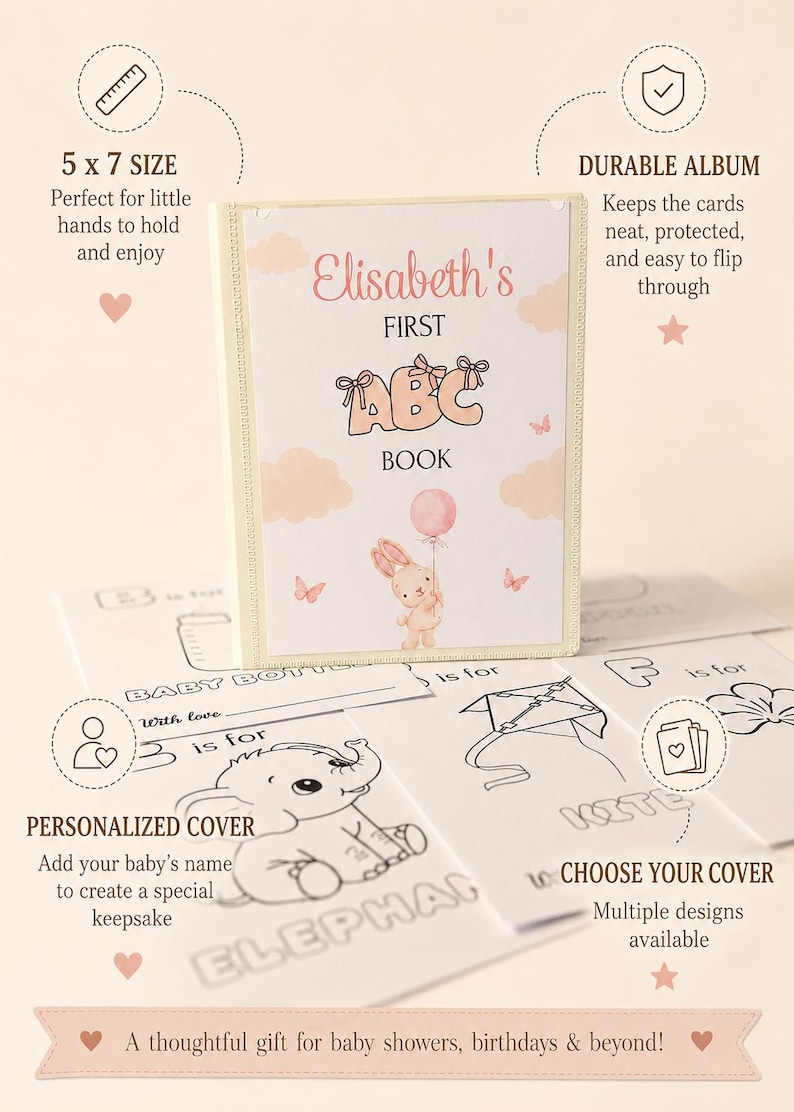
Create a baby shower ABC book with guest-made pages, easy prompts, a clear station setup, and a practical plan for assembling the keepsake.
Read the guide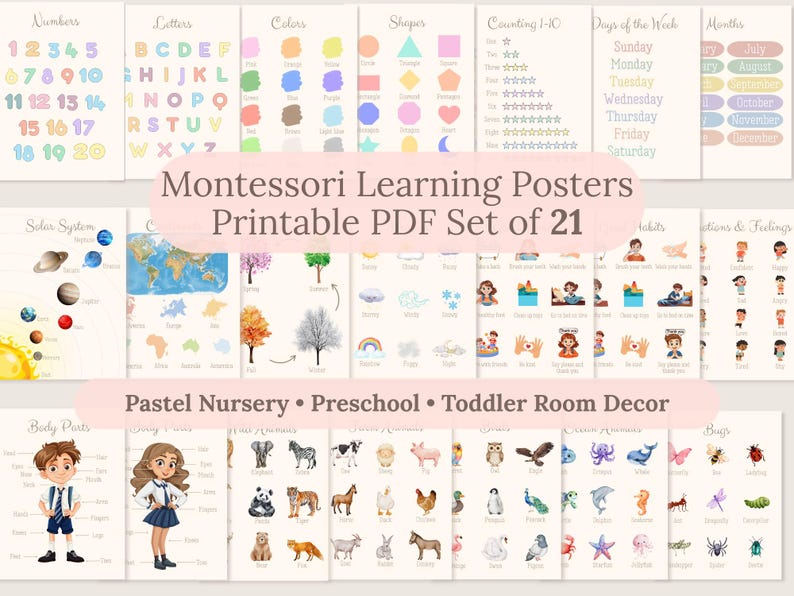
Get cleaner printable educational posters by checking file size, paper, printer settings, trimming, color, and child-friendly display options.
Read the guidePractice recognizing Cyrillic letters through eight low-prep games using printable or ready-made Russian alphabet flashcards.
Read the guideCompare busy books, felt quiet books, and laminated activity books by format, setup, portability, supervision, and the way your child likes to play.
Read the guide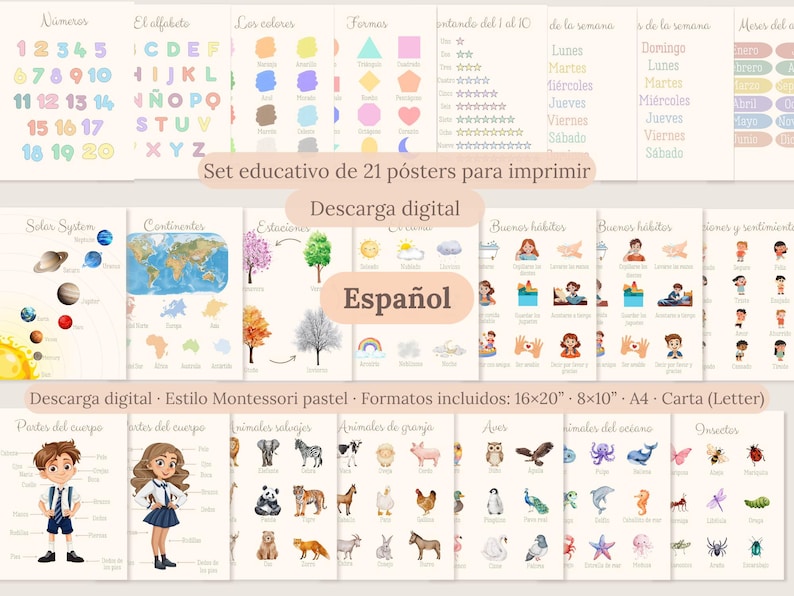
Turn Spanish educational posters into short bilingual preschool routines with pointing, movement, picture talk, daily-life connections, and gentle repetition.
Read the guide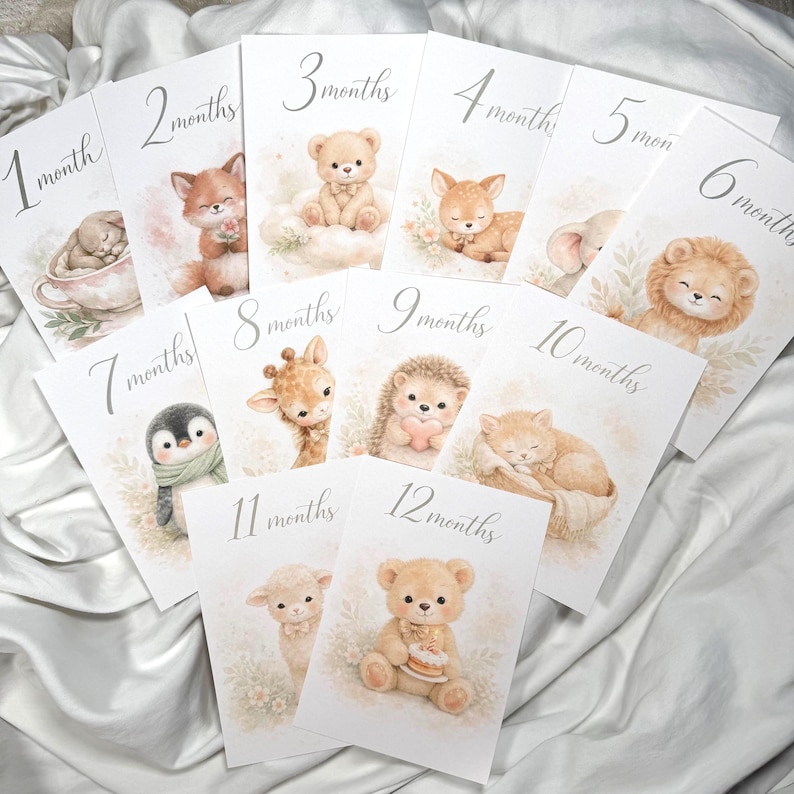
Plan twenty simple first-year milestone card photos with repeatable setups, soft light, safe positioning, privacy choices, and an easy storage routine.
Read the guideBrowse by learning goal
Each topic gathers practical guides and the collections that best support that kind of play, practice, or gift decision.
Explore realistic preschool learning activities for early writing, reusable books, screen-free play and fine motor practice in short, child-led routines.
Explore this topic →20 guidesFind low-pressure ideas for name tracing, printable learning displays and Russian alphabet games that make letters easier to revisit through play.
Explore this topic →10 guidesChoose useful educational gifts and meaningful baby keepsakes with practical guides to age fit, personalization and memory-making activities.
Explore this topic →Fresh from the journal
Explore our newest guides for playful learning and thoughtful gifts.
Explore learning tools