A useful travel busy bag is small enough to bring and simple enough to reset. It should match the setting: an airplane tray, a restaurant table, and a medical waiting room do not offer the same space or conditions.
Choose the bag's contents by those practical limits before choosing a theme or adding more activities.
Pack one item from each useful category
| Category | A practical example | What to check |
|---|---|---|
| Familiar pictures | A small book already enjoyed at home | Fits the bag and opens comfortably |
| A drawing option | Paper or a suitable reusable surface | Tool compatibility and adult supervision |
| No-supplies backup | A remembered story or picture-search game | Works when the bag must stay closed |
| Reset supplies | A cloth and separate storage pouch | Appropriate for the actual material |
You may not need all four. A book and a conversation can be a complete plan for a short outing.
Put adult-managed items together
Keep markers, caps, small accessories, and cleaning supplies in a separate pouch. Label it if several caregivers share the bag. Do not assume that a busy bag is safe for unsupervised access simply because the activities are intended for preschoolers.
Check items before leaving. Remove broken pieces, dried-out tools, or anything the child has outgrown. Follow product instructions for age, cleaning, and use.
Test the actual footprint
Open the book on a small space at home. Can an adult hold it comfortably? Does the child need both sides of a large page? Can the materials be collected quickly?
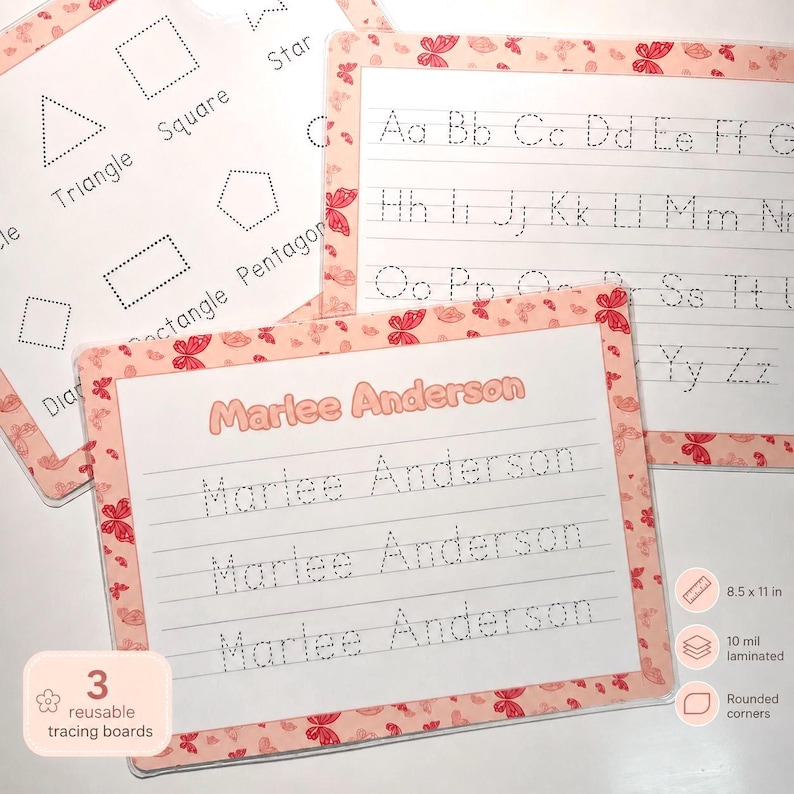
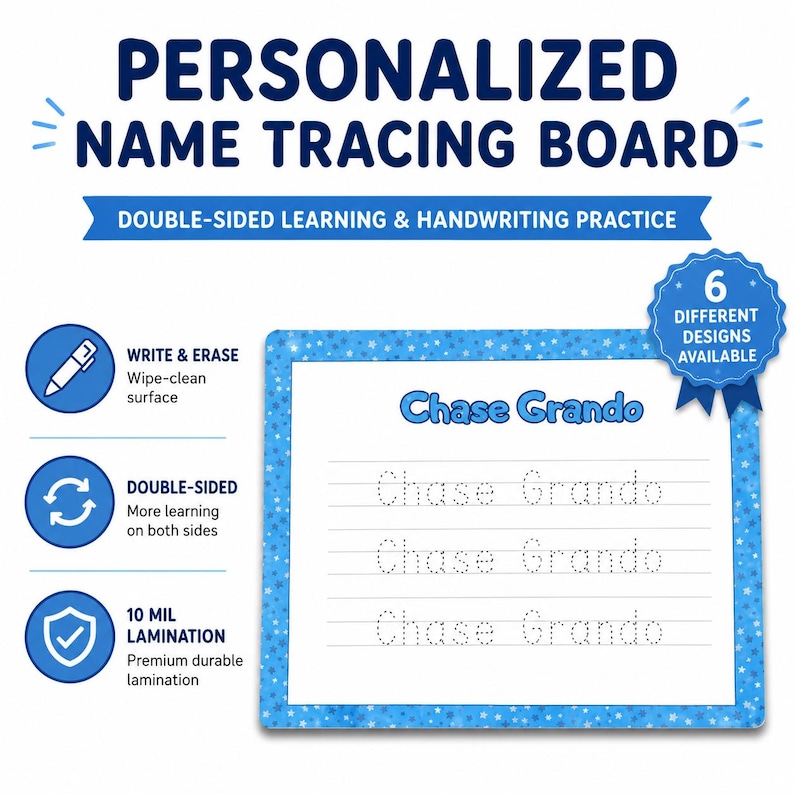
A personalized name board is one format to compare with a full book. Inspect the dimensions and surface rather than assuming a smaller product will automatically suit your child better.
Keep a three-step exit routine
First, give a short warning that the activity is ending. Next, save the place with a bookmark or remember the page. Finally, put the tool away before moving the larger item.
Practice the sequence once at home. The objective is a predictable transition, not a perfectly neat bag packed by the child.
Reset after the outing
Clean compatible surfaces according to their instructions and let them dry before closing. Check for missing items and replace only what is needed. A bag that stays ready requires less thought the next time a wait appears unexpectedly.
Do not leave materials in conditions that could damage them, such as excessive heat. Refer to the individual product guidance for storage.
Use the right plan for the location
Our airplane activities separate the gate from seated travel. The restaurant guide plans around food arriving. The waiting-room guide prioritizes activities that stop immediately.
For a road trip, keep hands-on materials packed securely while driving and use the no-supplies car games. The best busy bag is not the fullest one; it is the one whose contents are manageable in the place you are actually going.
Every child develops differently. Use age guidance, supervise activities and choose materials appropriate for your child and home.
Published by ThinkieInkies. General play ideas, not clinical advice. Product details are available in the linked product listings; general learning ideas are provided for inspiration and should be adapted to each child with adult supervision.