Kindergarten readiness is broader than writing a neat name or completing a workbook. Children also meet new routines, communicate needs, use unfamiliar materials, and participate with other people. Home activities can offer practice with those experiences without becoming an entrance exam.
Ask the receiving school about its expectations and supports. Schools differ, and a general online checklist cannot determine whether an individual child is ready or eligible.
Practice asking for help
During play, model a short request: “Can you help me open this?” Let the child use words, gestures, or their usual communication system. Respond to the request so it accomplishes something.
You can also practice saying that something hurts, asking where the bathroom is, or telling an adult that a tool is not working. Keep these conversations reassuring rather than making school sound like a series of problems to solve alone.
Make everyday routines visible
Try a small arrival routine at home: put an item in its place, choose an activity, then put the materials away. Show one step at a time when needed.
Use real objects or simple pictures if they help the child remember. The aim is familiarity with sequences, not perfect independence. Children can need support and still belong in a classroom.
Include conversation and shared books
Talk about pictures, wonder what happens next, and let the child tell a familiar story in their own way. There is no requirement to identify every letter on the page.
If the child uses more than one language, include the languages the family uses comfortably. A school's language does not have to replace the language of home relationships. See our bilingual home-literacy routine for examples.
Keep numbers and writing useful
Count how many places a pretend picnic needs. Make a sign for a construction. Find the child's name on a label. These invitations connect symbols to a purpose.
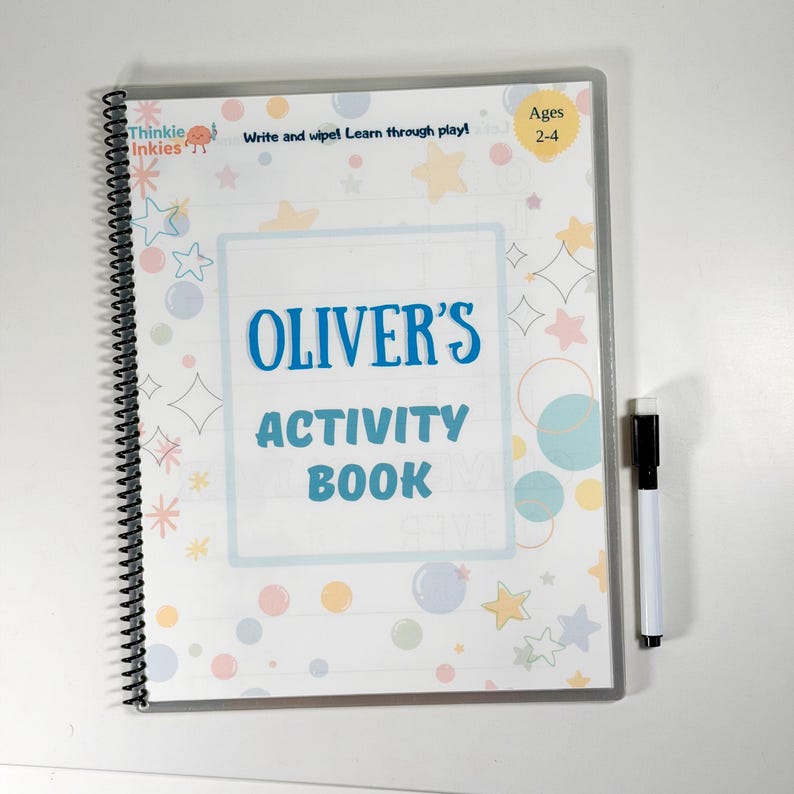
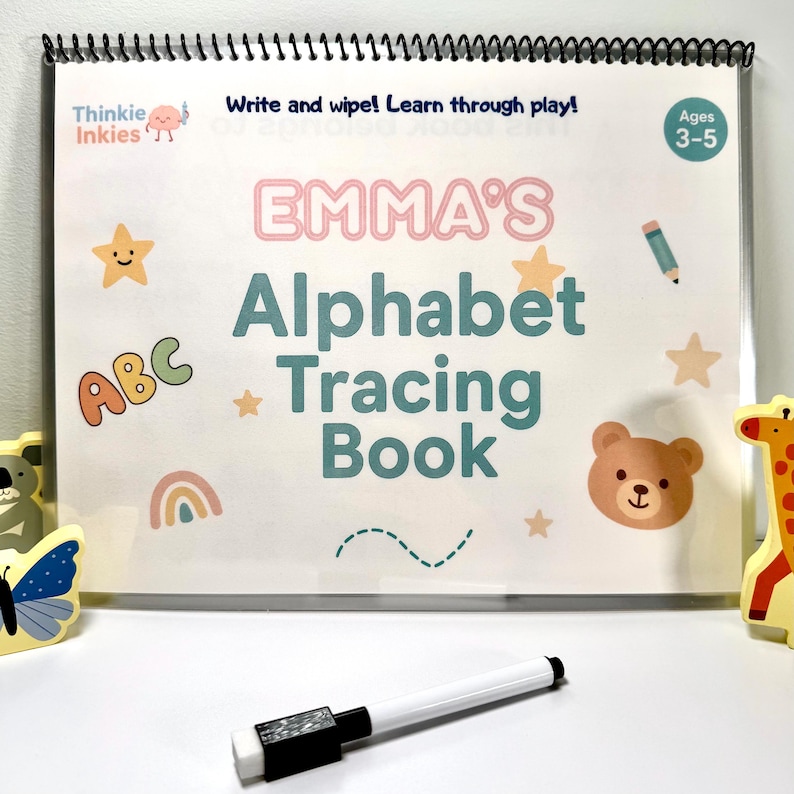
If the child wants to trace, a personalized alphabet book can be one optional resource. Check the age guidance and page examples. It is not a readiness test or a guarantee of academic success.
Make room for peers and movement
Games with other people offer chances to wait, negotiate, ask, and change plans. Children will need adult help with those moments. The American Academy of Pediatrics highlights the broad value of play in children's development; workbook completion captures only a narrow part of a child's day.
If you have persistent concerns about communication, movement, learning, or lost skills, raise them with the child's healthcare professional and school rather than increasing practice pages.
What should we do in the summer before school? Choose a few practical routines and enjoyable shared activities. Our summer play plan offers a flexible structure without a stack of daily assignments.
Every child develops differently. Use age guidance, supervise activities and choose materials appropriate for your child and home.
Published by ThinkieInkies. General play ideas, not clinical advice. Product details are available in the linked product listings; general learning ideas are provided for inspiration and should be adapted to each child with adult supervision.