Gratitude activities for preschoolers work best when they connect to something the child actually noticed: a person who helped, a game they enjoyed, or a place that felt welcoming. A child does not need to give an impressive answer to “What are you thankful for?”
Use these ideas around Thanksgiving if your family observes it, or at any other time. They focus on everyday appreciation rather than teaching a simplified holiday history.
Begin with a specific memory
Say, “You looked happy when we played at the park. What did you like?” The child can answer with a word, a gesture, or a drawing. If they name a toy or snack, accept the answer rather than correcting it toward something adults consider more meaningful.
An honest small observation is a better starting point than a rehearsed response.
Draw a thank-you message
Ask whether there is someone the child would like to thank. Offer paper and suitable drawing tools. An adult can write the child's words beside the picture or on a separate note.
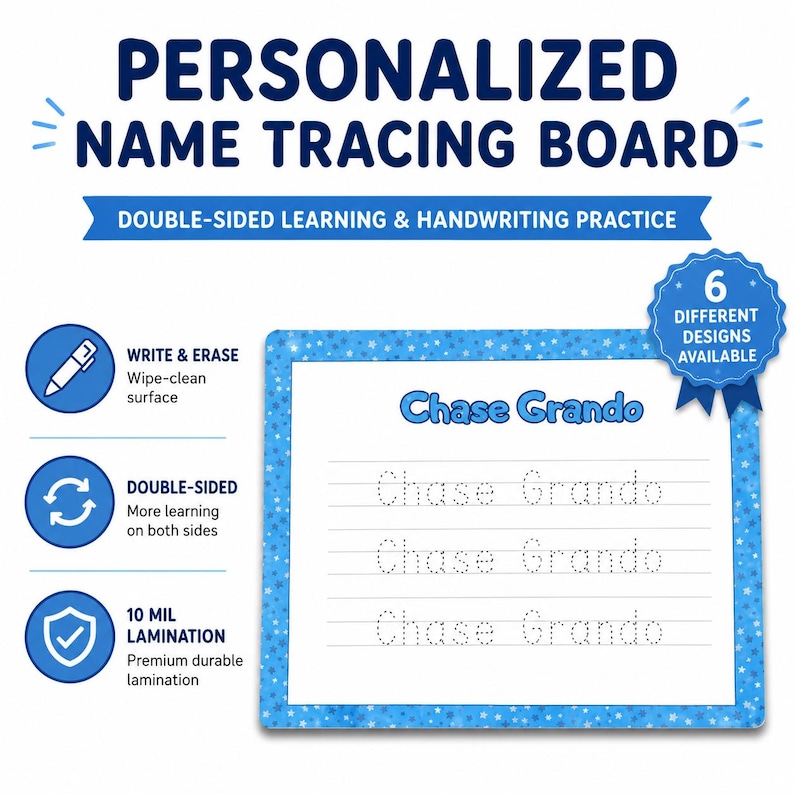
Do not insist on a long message or a neat signature. If the child wants a name reference, a personalized name workbook can be one optional tool, used according to its age and supervision guidance.
Notice a helpful action
During an ordinary day, describe something someone did: “Your brother brought the book we were looking for.” Invite a response without requiring a particular phrase.
Later, the child can choose a way to help someone else, such as placing a book in its home or carrying an appropriate item with supervision. Avoid turning kindness into a competition with points for being the most grateful.
Make a family appreciation page
Give each willing participant a space on a large sheet. People can draw or dictate one thing they appreciated that day. Adults should participate too, using concrete examples rather than lectures about what children ought to value.
Leave a blank space for someone who does not want to contribute. Participation and emotional expression should not become compulsory holiday performances.
Use pretend play when the question feels abstract
Imagine that a toy helped another toy find its home. Ask what the second character might do next. The child can act out a response, draw a message, or change the story.
Our pretend-play writing guide shows how a message can become part of a game. This gives the idea of thanks a visible context without requiring the child to discuss personal feelings on demand.
Should we display the finished page? Ask the child first, especially if it includes personal words or names. A family activity does not need a public audience to be meaningful.
For more small seasonal invitations, choose a few ideas from our Advent activity menu, adapting any holiday-specific details to your family's traditions.
Every child develops differently. Use age guidance, supervise activities and choose materials appropriate for your child and home.
Published by ThinkieInkies. General play ideas, not clinical advice. Product details are available in the linked product listings; general learning ideas are provided for inspiration and should be adapted to each child with adult supervision.