
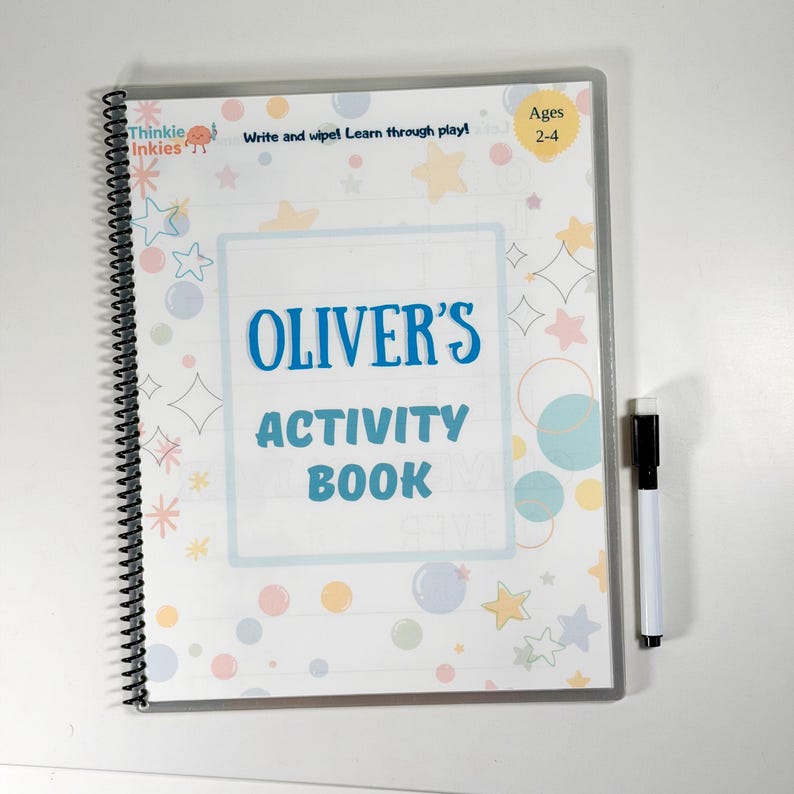
A preschool learning corner can be one cleared section of a table and a small storage box. It does not need to resemble a classroom or remain set up all day. The useful features are a comfortable working position, manageable choices, and a clear way to put things away.
Start with the household's real space rather than a shopping list.
Define the activity surface
Choose a place where an adult can join and supervise. Check whether the child can sit or stand comfortably, whether the page slides, and whether the lighting makes pictures easy to see.
Keep walkways clear. Avoid placing the activity beside hot surfaces, dangling cords, unstable furniture, or places where a younger sibling can reach unsuitable materials.
Separate available materials from adult tools
One container can hold age-appropriate items the child is allowed to choose. Another, out of reach as needed, holds markers, scissors, cleaning products, and other tools that require adult management.
Do not rely on a label alone to keep hazardous or unsuitable supplies safe. Storage should reflect the actual children in the home and the product instructions.
Keep the visible selection small
Offer a familiar picture book, paper, and one current activity. The rest can remain stored. More visible materials can create more setup and cleanup without adding a useful choice.
Use our activity rotation guide if you want a system for changing the selection. Leave a favorite available even when another item rotates out.
Add a reference only when it has a job
A single learning poster can support a current interest. Place it where you and the child can view it safely, and refer to it during an activity. The poster-placement guide explains how to avoid turning a small corner into a crowded display.
If considering the educational poster bundle, remember that it is a printable resource. Select only the pages you intend to use and account for printing and safe mounting.
Create a reset that takes a few actions
Give each item a clear home. At the end, the child might put paper in a tray while the adult cleans the reusable surface and stores tools. Show the actions in the same order when that helps.
The corner should be easy to return to ordinary family use. A portable box may work better than a permanent shelf in a shared dining area.
Check what the space actually supports
After a week, notice the friction: a chair that is uncomfortable, too many open pages, a marker that is never ready, or nowhere to keep unfinished drawings. Fix the practical problem before buying another educational item.
Does a learning corner replace other play spaces? No. It is one option for drawing, looking, and shared activities. Movement, pretend play, construction, outdoor time, and conversation can happen elsewhere without needing to be turned into a designated lesson area.
Every child develops differently. Use age guidance, supervise activities and choose materials appropriate for your child and home.
Published by ThinkieInkies. General play ideas, not clinical advice. Product details are available in the linked product listings; general learning ideas are provided for inspiration and should be adapted to each child with adult supervision.