
A rainy-day activity circuit alternates different kinds of play so the whole morning does not depend on one tabletop task. You can create it in a small space by setting up one activity at a time rather than building several permanent stations.
Clear the area and choose movements and materials suitable for the child. The circuit is a flexible sequence, not an obstacle course or a timed challenge.
Stop one: a movement story
Tell a short story about an animal traveling somewhere. Invite a comfortable action, such as a slow stretch, a small step, or a seated gesture. Keep the floor clear and avoid climbing on furniture or jumping across slippery surfaces.
Let the child choose the next animal or action. If movement is not appropriate, use hand gestures or sounds to tell the same story.
Stop two: draw the destination
Offer paper and suitable drawing tools. The child can make the place the animal is visiting. Ask one open question about the picture, then allow quiet drawing time.
If a blank sheet feels too broad, draw a house and invite a route to it. Our pre-writing path activities give several versions without requiring letters.
Stop three: build something the story needs
Use appropriate large blocks or another familiar construction material. The child might build a home, a bridge, or a pretend shop.
Avoid presenting a finished adult model as the required result. Ask what the construction does and let the child explain through words, actions, or more building.
Stop four: tell what happened
Return to the drawing and construction. Invite the child to tell the story, or tell it together one short part at a time. An adult can write down a sentence if the child wants to keep it.
There is no need to remember events in a perfect sequence. The story can change as the child retells it.
Use a book as an optional station
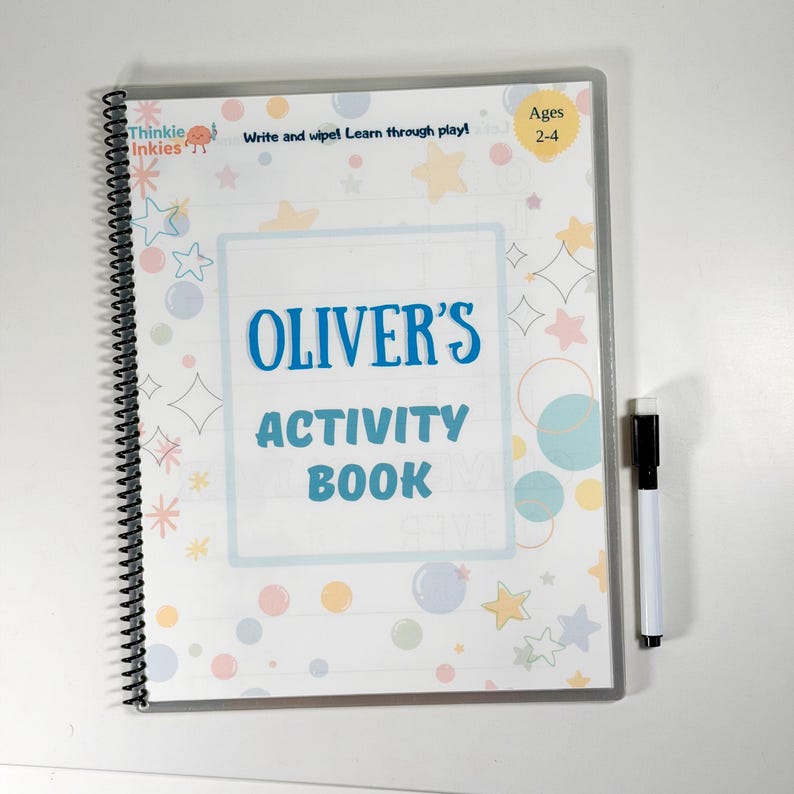
A page from a mixed activity book can replace the drawing or matching portion when the child prefers a prepared prompt. Use adult supervision and compatible tools. Do not add the book simply to make the circuit appear more educational.
The guided-play comparison explains how a prepared prompt can still leave room for choices.
End before the circuit becomes work
Skip stops, repeat a favorite, or pause for ordinary family needs. The child does not have to complete the whole sequence to have enjoyed a useful morning.
Reset one area before bringing out the next material if space is limited. Our small learning-corner guide offers storage ideas that do not require a dedicated playroom.
How long should each stop last? Follow interest and practical needs. A brief visit to one activity and a long stay at another can work better than enforcing equal time at every station.
Every child develops differently. Use age guidance, supervise activities and choose materials appropriate for your child and home.
Published by ThinkieInkies. General play ideas, not clinical advice. Product details are available in the linked product listings; general learning ideas are provided for inspiration and should be adapted to each child with adult supervision.