
Waiting-room activities need a special feature: they should stop easily. An elaborate project can make being called into an appointment harder, especially if a child has just become absorbed in it.
Bring a small personal selection, follow the facility's hygiene guidance, and keep materials from spreading across shared surfaces. The goal is a manageable wait, not a perfectly productive one.
Begin by explaining the next step
Tell the child what you know in simple language: “We are waiting until they call us. Then we will go into another room.” Avoid promising that an appointment will be painless or very quick when you do not know that.
Answer questions honestly and briefly. An activity should not be used to prevent a child from asking about what will happen.
Choose a picture search
Open a familiar book and look for one feature: a curved line, a red object, or a character's hat. Let the child choose the next thing to find.
Keep the search in your own material rather than asking the child to inspect strangers or approach equipment. You can close the book as soon as your name is called without losing a complicated setup.
Make a story with a reusable ending
Invent a character who travels to different places. At any point, the character can “save the adventure for later.” This gives the story a natural pause whenever the appointment begins.
The child can contribute words, gestures, or a choice between two destinations. Do not require a long verbal response to take part.
Offer one familiar activity page
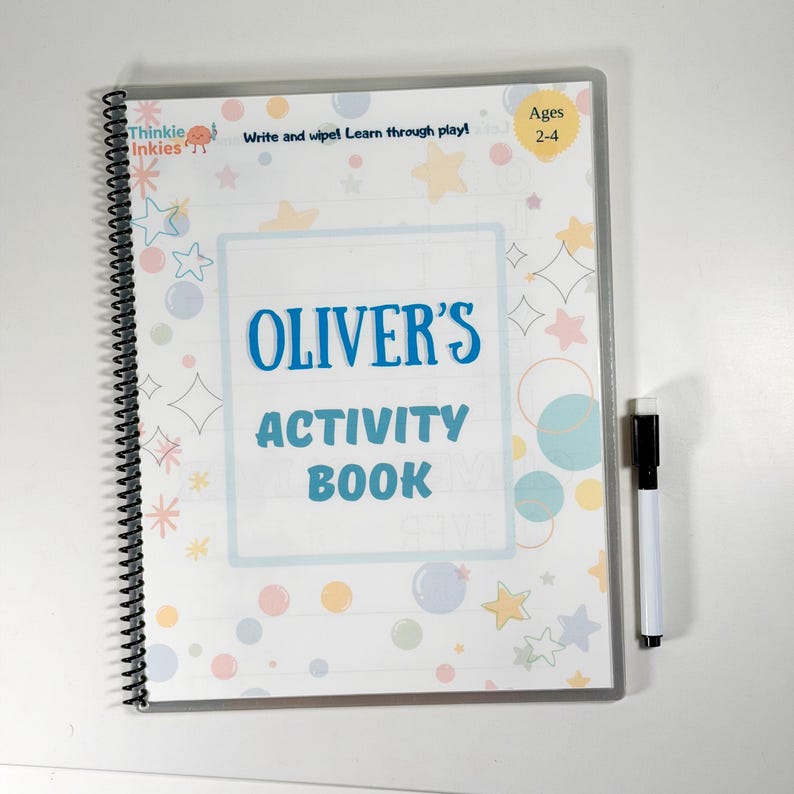
A mixed activity book can be useful if the child already knows its format and an adult can supervise. A pointing or matching invitation avoids opening a marker when there is little space or an appointment is imminent.
If you do use a writing tool, manage caps and loose accessories, follow the product guidance, and put it away before moving through the facility. Clean materials later using directions appropriate to their surface.
Keep a comfort option separate from the activity
A child may prefer sitting close to you or holding a familiar suitable comfort item. That is a valid choice. Anxiety, discomfort, hunger, and tiredness are not problems a worksheet must solve.
Check any food or drink restrictions with the care team before offering a snack. The appointment's instructions take precedence over a general waiting plan.
Practice a quick close at home
Try the phrase “Let's save this page.” Put a paper bookmark in place, close the book, and show that the child can return later. Avoid promising that the same activity will resume immediately if you do not know the schedule.
Our portable busy-bag checklist helps organize the supplies. For a wait centered on a meal, use the separate restaurant activity guide, where the table setup and cleanup needs are different.
Every child develops differently. Use age guidance, supervise activities and choose materials appropriate for your child and home.
Published by ThinkieInkies. General play ideas, not clinical advice. Product details are available in the linked product listings; general learning ideas are provided for inspiration and should be adapted to each child with adult supervision.