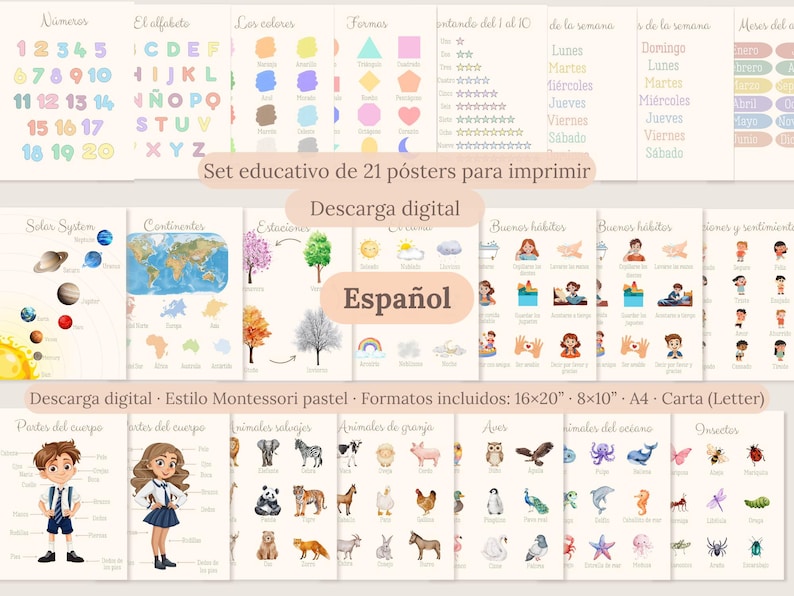
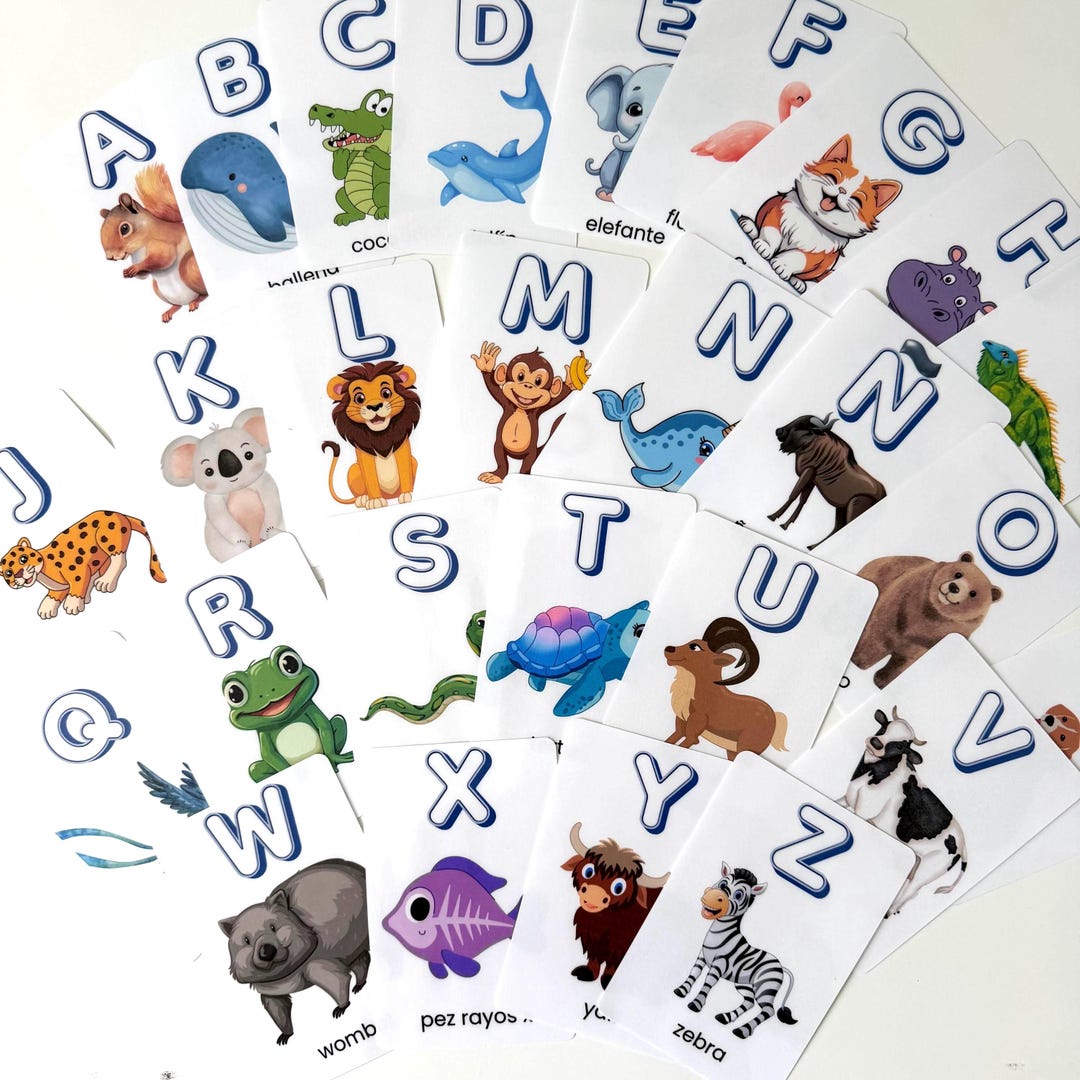
Flashcards show a limited amount of information in a repeatable format. Conversation lets a child explain, ask, respond, and use words for a purpose. A family can use both, but naming pictures on cards is not the whole of language learning.
The most useful change is often what the adult does after showing the card.
Move from a label to a connection
If a card shows an animal, name it once and connect it to something familiar. “We saw one in that story.” Pause to see what the child contributes.
You can offer a choice if a broad question is difficult: “Would it live in our pretend forest or on the farm?” Accept pointing or gestures as participation. Avoid turning every exchange into “What is this?” followed by a correction.
Try a four-step card conversation
- Let the child choose a card.
- Notice one visible feature together.
- Connect it to a toy, story, memory, or imaginary situation.
- Let the child decide whether to choose another card or continue the story.
This structure leaves room for the child to steer. It also makes a two-card session complete; there is no need to work through the deck.
Add an action or a small story
The child can pretend to be the pictured animal, describe where it goes, or invent something it needs. An adult can write down the child's idea on separate paper if the child wants a record.
For a child who prefers arranging materials, place two cards in a scene and talk about where they are. “Beside,” “under,” and “between” can arise naturally when you describe the child's arrangement.
Use accurate language models
For bilingual cards, use words and pronunciations you know or check them with a reliable speaker. A picture label may not show how a word changes in a sentence. Do not improvise grammar you are unsure about just to keep the activity in the target language.
Our bilingual home routine gives ways to use the family's languages beyond materials at the table. The Spanish alphabet game guide focuses specifically on letters and their cards.
Recognize the limits
A child naming a familiar card has shown something about that card in that moment. It does not establish fluency, reading ability, or an overall language level. Likewise, declining a card game is not evidence of a language problem.
The American Academy of Pediatrics describes shared play as an opportunity for communication. The back-and-forth interaction is the useful part to preserve, whether you start with a card or an ordinary toy.
Browse Spanish alphabet cards if a deck fits your routine, and inspect its current format and age guidance. Use the cards as prompts that open a conversation, then allow that conversation to leave the cards behind.
Every child develops differently. Use age guidance, supervise activities and choose materials appropriate for your child and home.
Published by ThinkieInkies. General play ideas, not clinical advice. Product details are available in the linked product listings; general learning ideas are provided for inspiration and should be adapted to each child with adult supervision.