A non-candy Easter basket can be small and still feel thoughtful. Choose one activity the child is likely to use, a familiar kind of book or art material, and a personal touch. You do not need to replace every piece of candy with another small object.
This is a gift-format choice, not a rule about what families should eat or how they should celebrate.
Pick one main activity
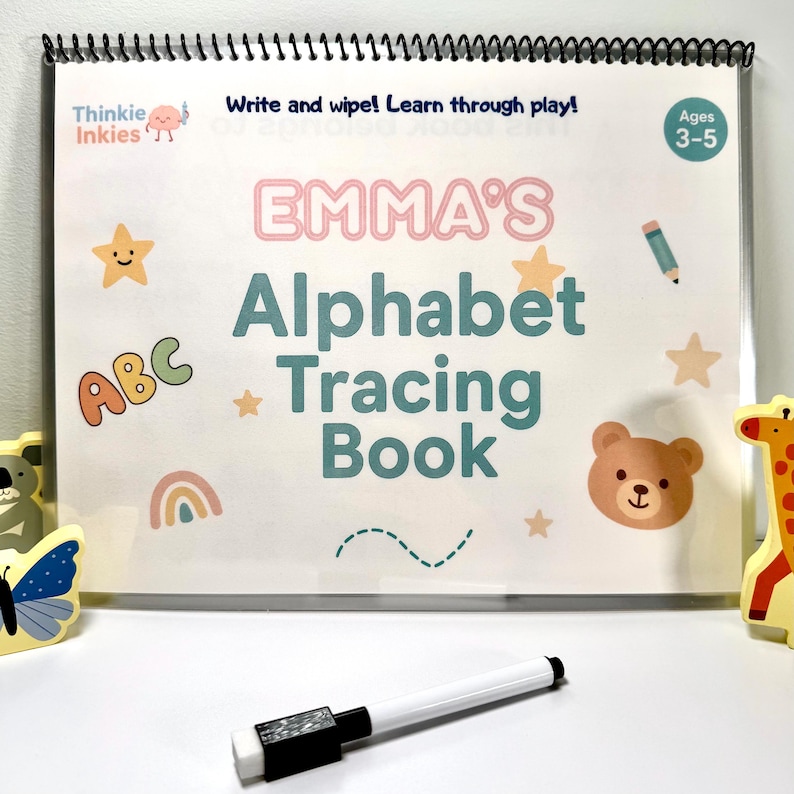
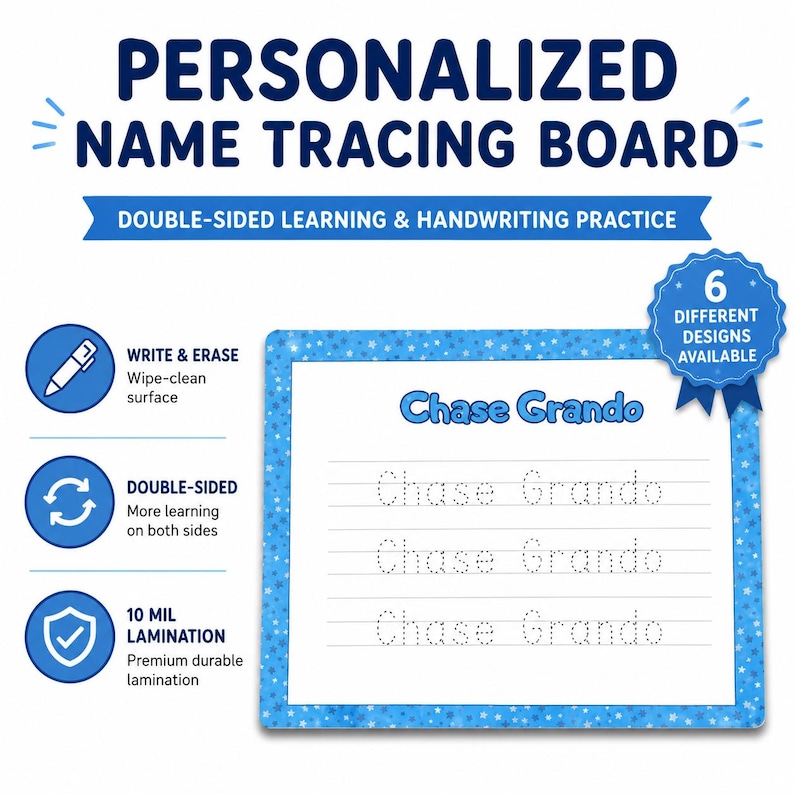
For a child who enjoys drawing and names, consider a personalized name tracing board. Check its dimensions, current options, age guidance, and tool requirements. The board does not need an Easter design to remain useful after the holiday.
For a child who prefers storytelling or construction, choose a different main item. A themed basket should still reflect the recipient's actual interests.
Add something to do together
A picture book, a short drawing invitation, or an adult-prepared paper game can make the basket a starting point for shared time. Include a note suggesting one simple activity, such as drawing a route to a pretend spring picnic.
If you choose a printable, prepare it before giving the basket unless the caregiver has agreed to do that work. Our printable-versus-physical comparison explains the practical difference.
Avoid filling gaps with unsuitable small items
Look at the whole basket from the perspective of the youngest child who can reach it. Tiny accessories, loose decorative filler, and small craft parts may be unsuitable even when the main gift fits the recipient's age.
Use the product guidance and your knowledge of the children present. An adult should manage markers, cutting tools, and any finishing materials.
Make the personal detail accurate
Confirm the child's name spelling and any characters before ordering. Check preparation and delivery estimates for the actual holiday date. Reusable gifts can be evergreen, but a personalized order still needs time to arrive.
If a deadline is close, ask the seller instead of assuming an advertised transit estimate includes making the item.
Use the basket after the holiday
An appropriate storage basket can become a home for the main activity. Keep adult-managed supplies separately and remove any packaging or decoration that should not remain in play.
You can also use large paper egg shapes for a supervised matching or sorting game. Choose two colors, make clear groups, and let the child change the rule when ready. Our color-sorting activities provide a simple starting point.
What if several relatives give baskets? Coordinate around a few distinct interests or shared experiences. Our sibling gift guide also helps families decide which materials can be shared and which should stay personal. A useful basket does not have to become a large collection to feel festive.
Every child develops differently. Use age guidance, supervise activities and choose materials appropriate for your child and home.
Published by ThinkieInkies. General play ideas, not clinical advice. Product details are available in the linked product listings; general learning ideas are provided for inspiration and should be adapted to each child with adult supervision.