Four quick movement and search games
First, make a color walk: name a color and look for three matching objects without collecting them. Second, create a pillow path on a clear floor and walk around, beside, or between the pillows. Third, play animal actions by taking turns choosing a slow stomp, tiny step, tall stretch, or quiet tiptoe. Fourth, hide a familiar picture card in an easy-to-see place and give simple position clues such as near the chair or under the table.
These games need almost no setup and can be repeated with a new prompt. Keep pathways clear and choose movement that suits the room. The aim is shared play, not speed or competition. If a child wants to repeat the same animal action ten times, let repetition carry the game. An adult can add language by describing what is happening without constantly asking questions.
Four table activities with open-ended choices
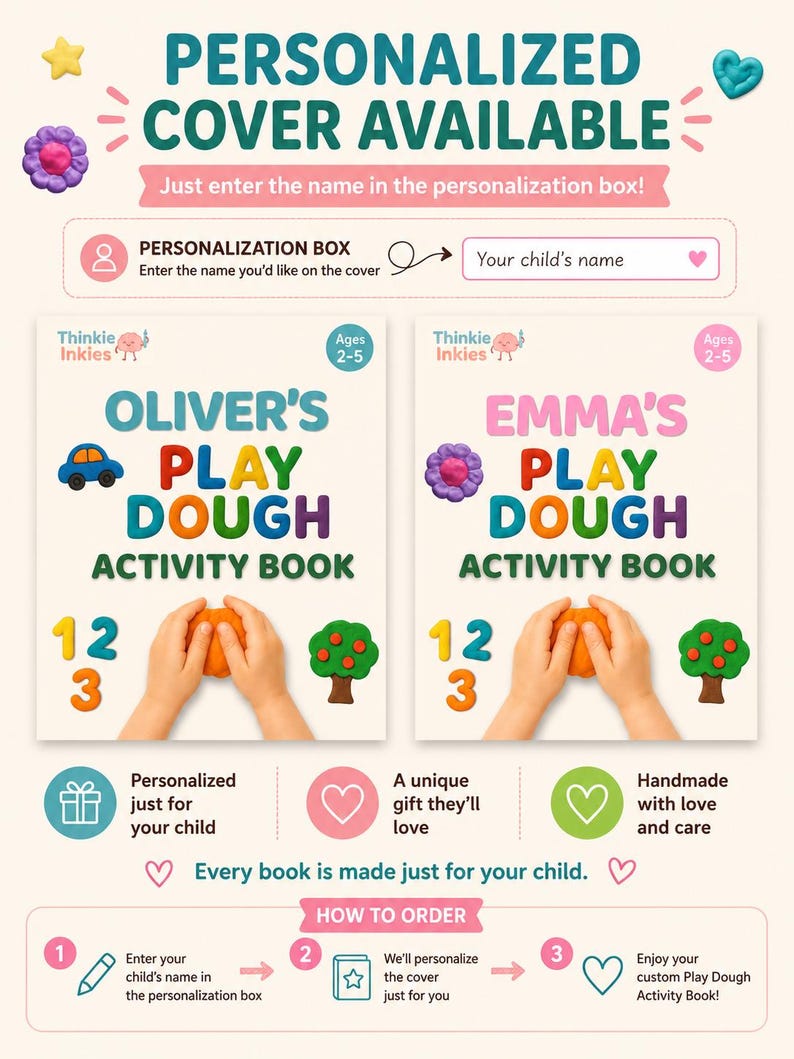
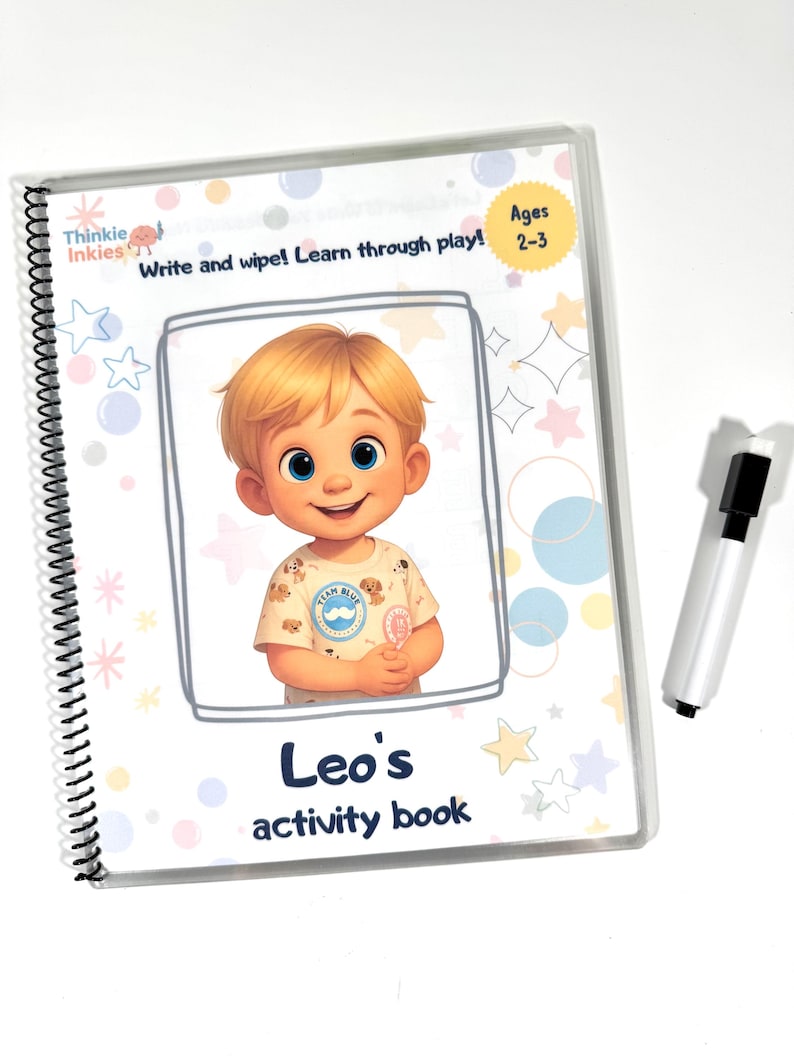
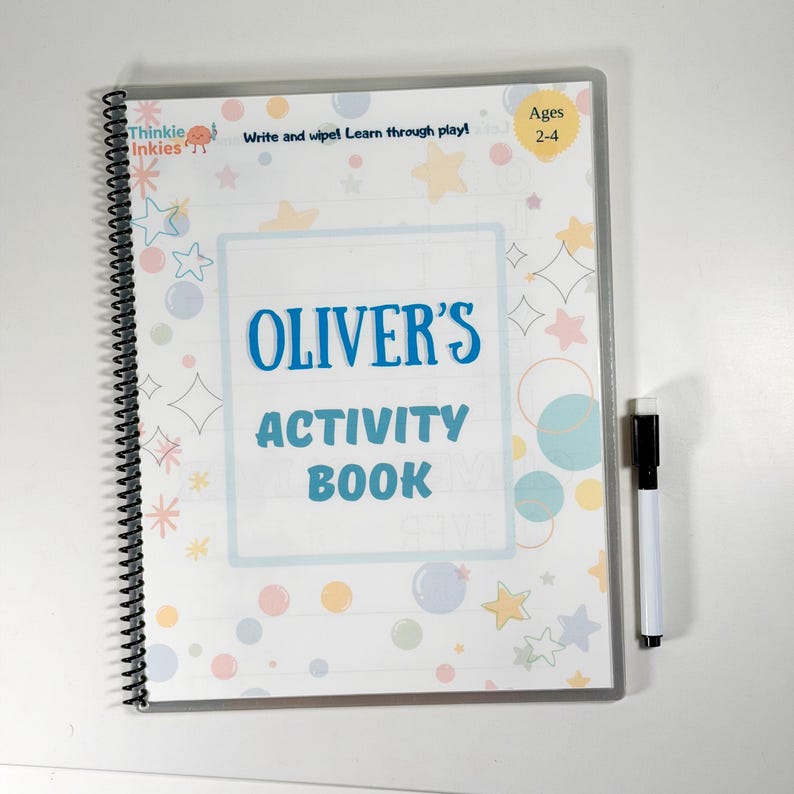
Try a paper collage with large pre-cut shapes and a child-safe adhesive used as directed. Make a lid-matching station with clean, large containers whose pieces are suitable for play. Offer play dough with a few simple invitations: roll a road, press a pattern, or build food for a toy. Finally, open one page of a personalized write-and-wipe activity book and let the child choose whether to trace, point, count, or simply tell a story about the pictures.
Limit the number of materials on the table. A tray containing three dough tools is usually easier to explore than an overflowing craft box. If an activity has a finished example, present it as one possibility rather than the required result. For more dough prompts, the play dough fine motor ideas guide builds a full week from rolling, pinching, pressing, and pretend play without requiring complicated models.
Four calm activities for transitions
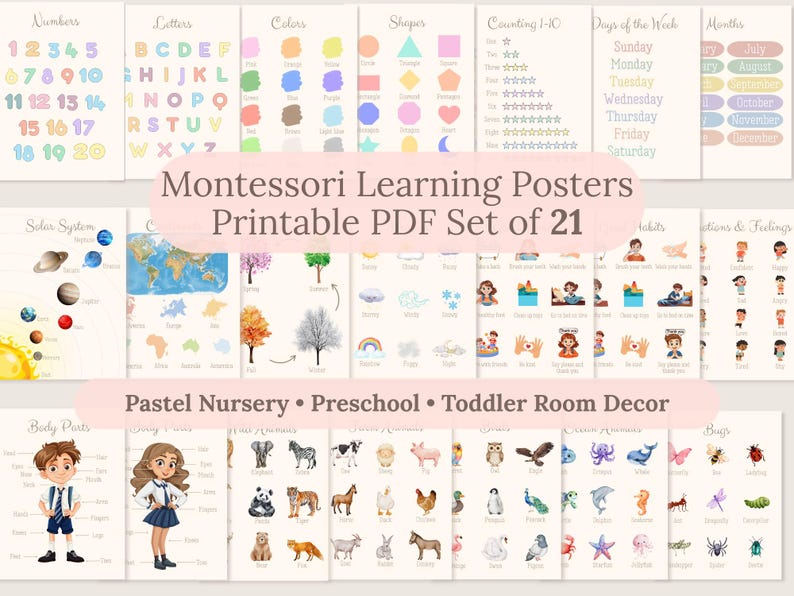
Create a family photo talk by choosing one printed picture and naming the people, place, and one remembered detail. Invite the child to “read” a familiar book from the pictures. Make a poster hunt by selecting one image from an educational poster and looking for a related object in the room. Or set up a simple portrait prompt with a custom portrait activity book, letting the child notice clothing, colors, or familiar faces at an unhurried pace.
A quiet activity does not have to mean silence or stillness. Some toddlers listen while moving, narrate every picture, or return to a page for only a moment. Place the activity near a natural transition, such as before lunch or after coming indoors, and use a consistent closing phrase. Putting materials away together signals what comes next without requiring a timer for every change.
Build a screen-free basket that stays interesting
Choose six to eight items and divide them into two groups. Keep one group available and put the other out of sight. Swap them after several days rather than buying something new whenever attention drops. A basket might hold a board book, large paper shapes, chunky crayons, a reusable activity, a soft toy, and a prompt card for a movement game. Keep markers and any small accessories in adult-controlled storage.
Notice which kind of play fits which moment. Movement may work before getting dressed, while a reusable book may suit a waiting period. The complete write-and-wipe guide explains how to care for reusable pages, and the educational gift guide for ages two to three can help relatives choose materials that complement what a family already owns. A sustainable screen-free rhythm comes from a few repeatable choices, not a new activity every day.
Every child develops differently. Use age guidance, supervise activities and choose materials appropriate for your child and home.
Written and reviewed by the ThinkieInkies team behind these learning tools. Product details are available in the linked product listings; general learning ideas are provided for inspiration and should be adapted to each child with adult supervision.