A screen-free Advent activity calendar can be a menu of small moments rather than 24 projects to finish. Use the ideas that fit your family's traditions, change their order, and repeat favorites. A missed day does not need to be made up.
Adults should prepare materials and supervise. Choose age-appropriate supplies, keep small parts away from children who mouth objects, and skip any food or dough activity that does not suit the child.
Days 1–6: Notice and make
- Draw a winter window. Imagine the view from a cozy house and let the child add marks, colors, or a story.
- Find a holiday color. Look for three examples during a supervised walk or around your own home.
- Make one gift label. The child draws a picture; an adult writes the recipient's name if wanted.
- Read a familiar seasonal story. Pause for the child's questions rather than turning the reading into a quiz.
- Create a paper pattern. Alternate two large adult-prepared shapes and notice what repeats.
- Invent a celebration animal. Draw it together and decide how it joins the family's holiday.
Days 7–12: Count and imagine
- Set a toy celebration table. Give each toy one large pretend plate.
- Build a dough tree. Use suitable dough under supervision; let the child decide its shape.
- Plan a pretend delivery. Draw a route between two houses and follow it with a finger.
- Count a small decoration group. Use safe paper pictures, not fragile ornaments or small loose decorations.
- Open a pretend bakery. Take one simple order and make imaginary holiday food.
- Tell a two-character story. Let each person choose a character and invent where they meet.
Days 13–18: Connect with people
- Make a thank-you drawing. Ask the child whom they want to thank; an adult can record their words.
- Look at one family photo. Talk about the people and the remembered moment.
- Learn a family holiday word. Use a language a relative speaks comfortably and explain its meaning.
- Choose a song together. Sing, hum, or add comfortable movements without requiring a performance.
- Make a place card. Use a name model or a picture so someone can find their spot.
- Share a favorite moment. Let the child tell, draw, point, or ask an adult to help describe it.
Days 19–24: Slow down and revisit
- Repeat the favorite activity so far. The child's choice replaces the need for a new idea.
- Make a story from a drawing. Ask what is happening and write the child's words separately if requested.
- Have a gentle movement parade. Choose safe actions that fit the space and the people taking part.
- Choose something to prepare together. Set out a book, a family game, or large paper place cards for a coming visit.
- Create a simple memory page. Add one picture or drawing and the date.
- Enjoy a familiar story or game. End with connection rather than a final task to complete.
Keep the calendar easy to use
Write the chosen ideas on a single sheet. Check supplies a few days ahead and replace anything that would require an inconvenient purchase. If a day is already full, a shared song or conversation can be the activity.
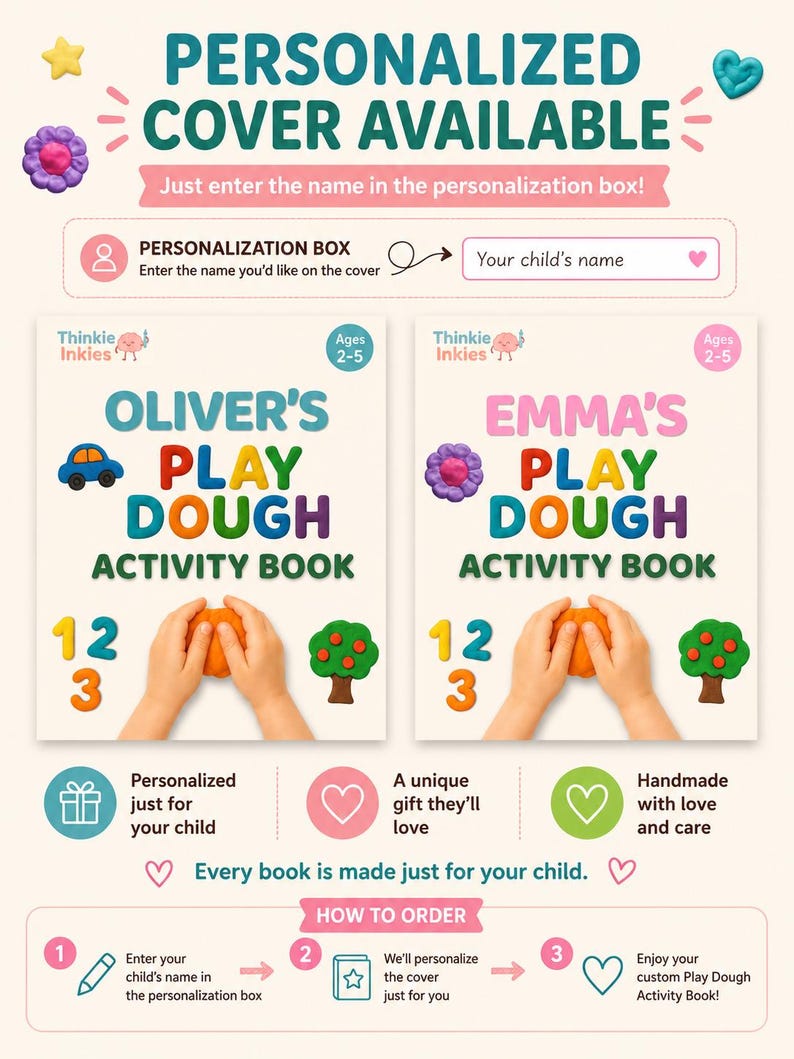
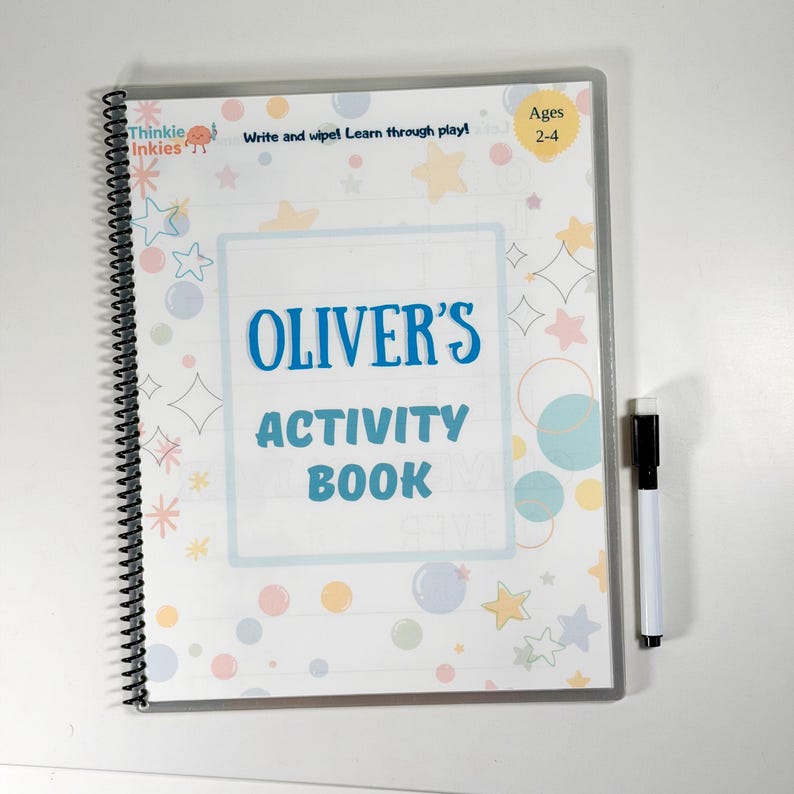
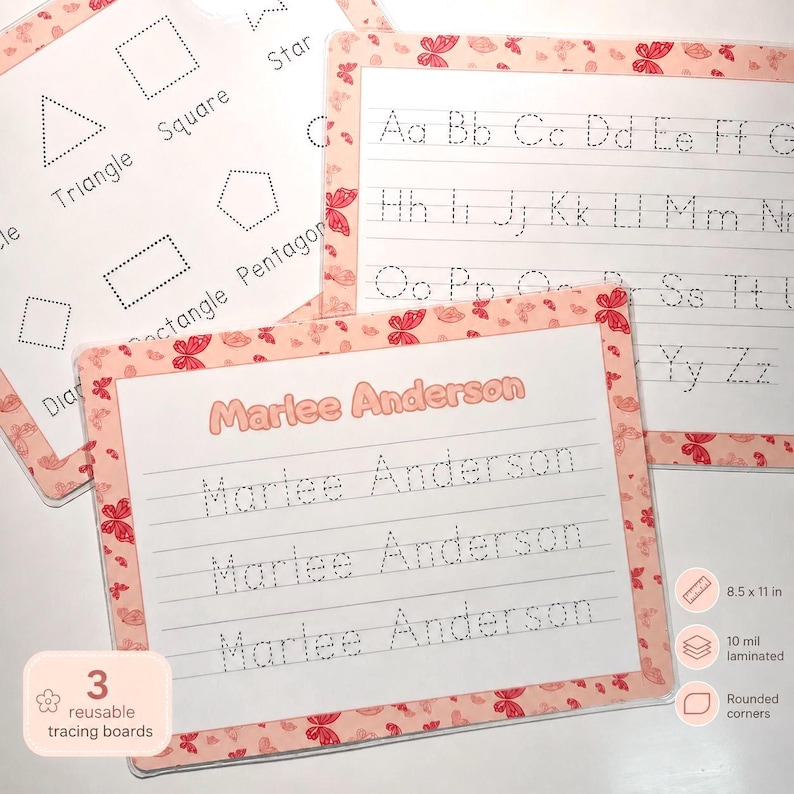
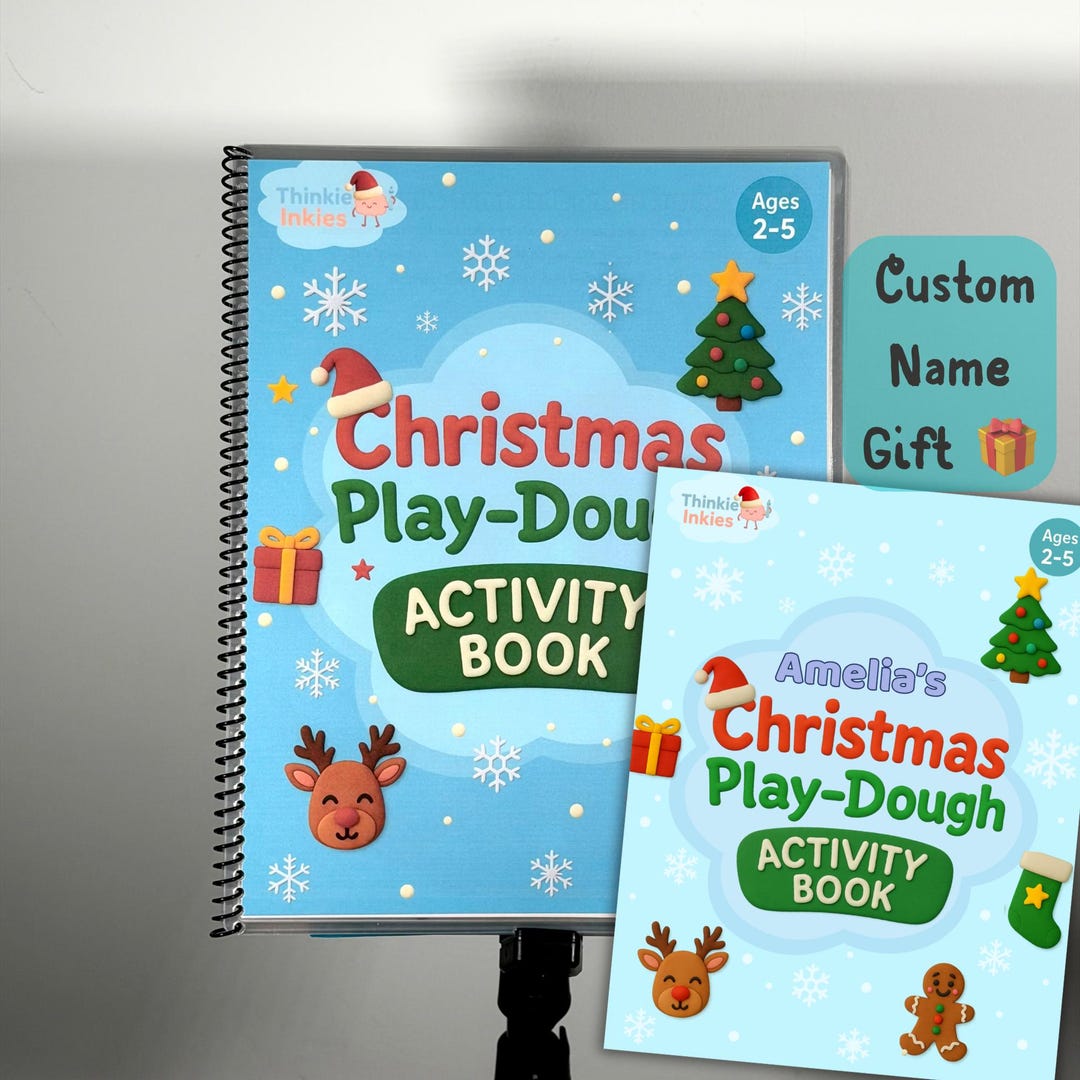
For prepared seasonal prompts, inspect the personalized Christmas play dough book and its current contents. It is optional; the calendar does not require buying a product. Our Christmas dough guide explains several of the hands-on invitations in more detail.
For activities centered on appreciation, see gratitude ideas for preschoolers. Keep each invitation separate from demands to feel a particular emotion or produce a polished holiday keepsake.
Every child develops differently. Use age guidance, supervise activities and choose materials appropriate for your child and home.
Published by ThinkieInkies. General play ideas, not clinical advice. Product details are available in the linked product listings; general learning ideas are provided for inspiration and should be adapted to each child with adult supervision.