A bilingual home-literacy routine works best when the languages help your family do real things together: enjoy a story, talk to a grandparent, make a list, or explain a drawing. It does not need to split every conversation into equal timed portions.
Choose languages the adults can use comfortably and meaningfully. Your routine can reflect different speakers, places, and family relationships.
Pick three recurring moments
A shared story: read a book, talk about the pictures, or retell a familiar story in a home language. You can discuss an English-language picture book in another language without translating every sentence.
A useful message: help the child make a card for a relative or dictate a short note. An adult can write the words while the child contributes a drawing or marks.
A familiar song: sing during a routine you already have. Let the child join with an action, a sound, or a favorite phrase.
Use one of these moments on a busy day. A sustainable routine is more useful than a detailed plan that creates pressure every evening.
Accept different kinds of responses
A child may answer in a different language from the one you used. Respond to the meaning and offer a natural model if helpful. Requiring every answer to use one language can interrupt the very conversation you wanted to create.
ASHA's multilingual learning guidance describes language mixing as an expected part of multilingual use and encourages families to use their languages. If there are communication concerns, seek an assessment that considers the child's languages rather than assuming bilingualism is the cause.
Keep written examples meaningful
Use the child's name, familiar labels, and words connected to current interests. If the languages use different alphabets, make the context clear. Our Russian-English letter comparison gives a small example of how similar shapes can work differently.
Avoid filling the room with unfamiliar print and expecting exposure alone to do the teaching. Point, talk, read, and use the words for something the child understands.
Bring in relatives without creating a performance
Ask a relative to share a short family story, describe an old photo, or name a favorite dish. Prepare one drawing the child wants to show rather than a list of words they must demonstrate.
The goal is a relationship in the language. Vocabulary practice may happen naturally along the way, but the child should not have to pass a quiz to enjoy the interaction.
Choose supporting materials
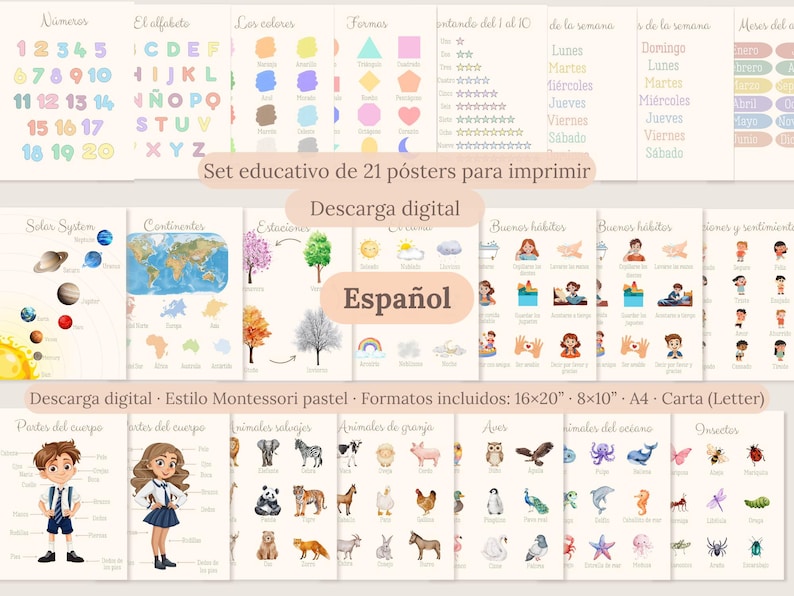
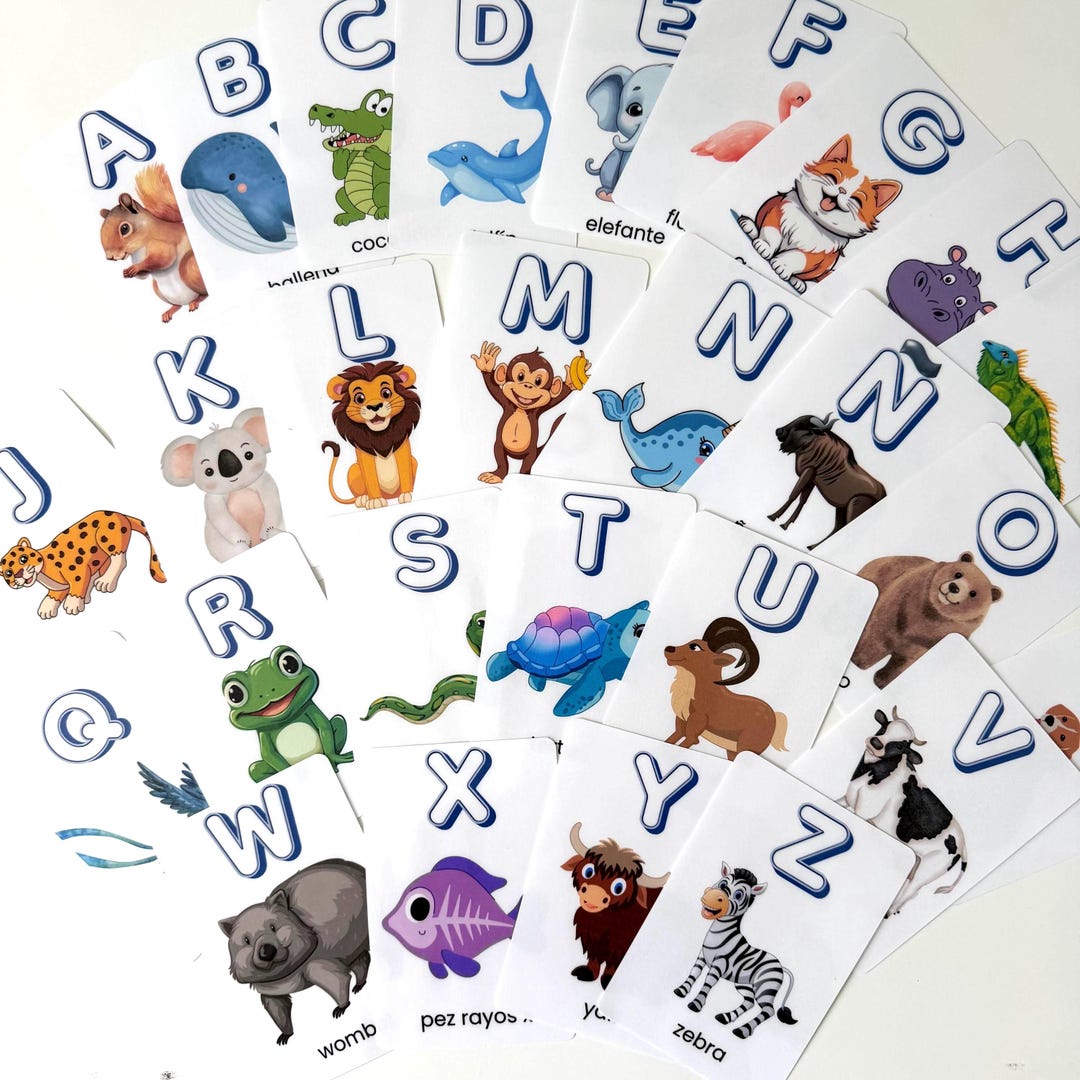
Spanish alphabet cards or the shop's printable learning resources can add prompts when they match your family's languages and goals. Check exactly what each product contains; a translated poster is not a complete language course.
For a practical card session, try Spanish alphabet games. For the balance between pictures and real conversation, read what flashcards can and cannot do.
Every child develops differently. Use age guidance, supervise activities and choose materials appropriate for your child and home.
Published by ThinkieInkies. General play ideas, not clinical advice. Product details are available in the linked product listings; general learning ideas are provided for inspiration and should be adapted to each child with adult supervision.