
Airplane activities work best when they fit the seat, the child's interests, and the adult's ability to help. A small selection of familiar materials is often easier to manage than a bag full of complicated surprises.
Plan for changing conditions. Follow crew instructions, keep the child properly secured, and put materials away whenever required. No activity needs to continue through a situation where it becomes awkward or unsafe.
Use the airport differently from the seat
Before boarding, try a supervised walking-and-looking game where it is safe and permitted. Find a large letter on a sign, count a small group of chairs, or invent a story about where a plane is going.
This uses the environment instead of opening every packed activity before the flight starts. Keep the child close and avoid games that encourage running, hiding, or approaching restricted areas.
Pack three activity types
A familiar book: choose one the child can revisit through pictures, even when an adult is interrupted.
A drawing option: use a compact format and age-appropriate tools the adult can manage. Keep caps and loose accessories controlled. Put the activity away when the tray or seating position does not support it comfortably.
A conversation game: look for a color in an illustration, invent a character's destination, or tell a story one sentence at a time. This backup needs no supplies when the bag is inaccessible.
Offer one thing at a time
Keep the rest of the bag closed. A single page is easier to manage than several open books and scattered pieces. Rotate when the child is ready, not according to a promise that each item will occupy a fixed number of minutes.
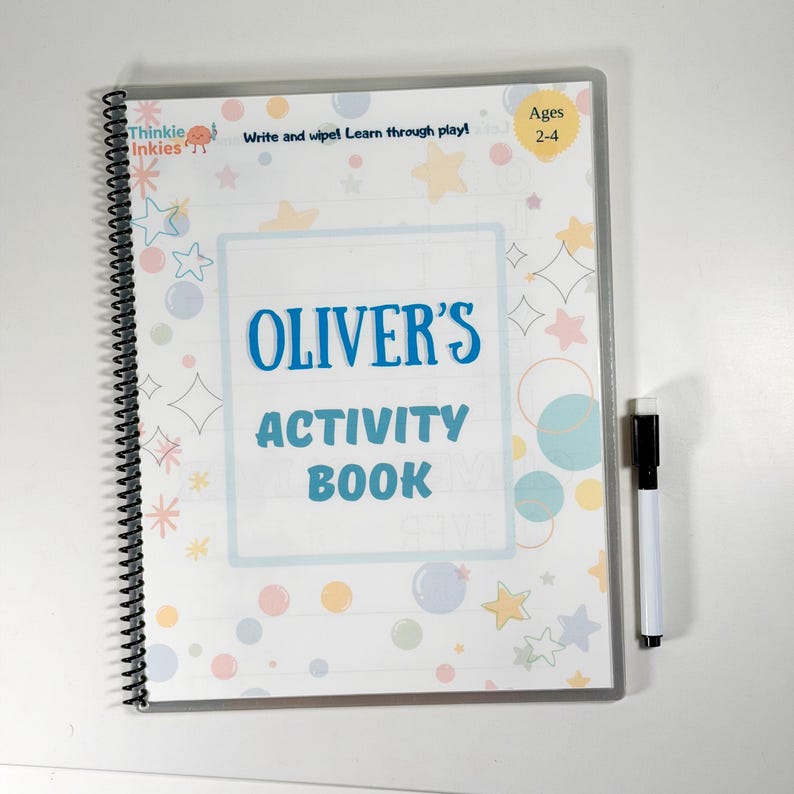
A write-and-wipe activity book can be an option if its size fits your bag and seating space. Check dimensions and product guidance beforehand. Try the materials at home so the first use is not during a difficult travel moment.
Plan a reset that is not another task
Sometimes the child needs comfort, a change in conversation, or a break from being asked questions. Close the book and describe something nearby. If movement becomes possible, follow the crew's directions and the actual cabin conditions.
Avoid judging the trip by whether the child stayed occupied without screens throughout. The purpose of the bag is to offer choices, not to turn a flight into a parenting test.
Make repacking simple
Use a pouch for materials that need adult handling, and keep cleanup supplies suited to the product. Check the area before leaving so small items are not left behind.
Our travel busy-bag checklist focuses on packing and resetting. For the meals on either side of the journey, try restaurant activities. Each setting needs a different practical plan, even if the same favorite book travels with you.
Every child develops differently. Use age guidance, supervise activities and choose materials appropriate for your child and home.
Published by ThinkieInkies. General play ideas, not clinical advice. Product details are available in the linked product listings; general learning ideas are provided for inspiration and should be adapted to each child with adult supervision.