
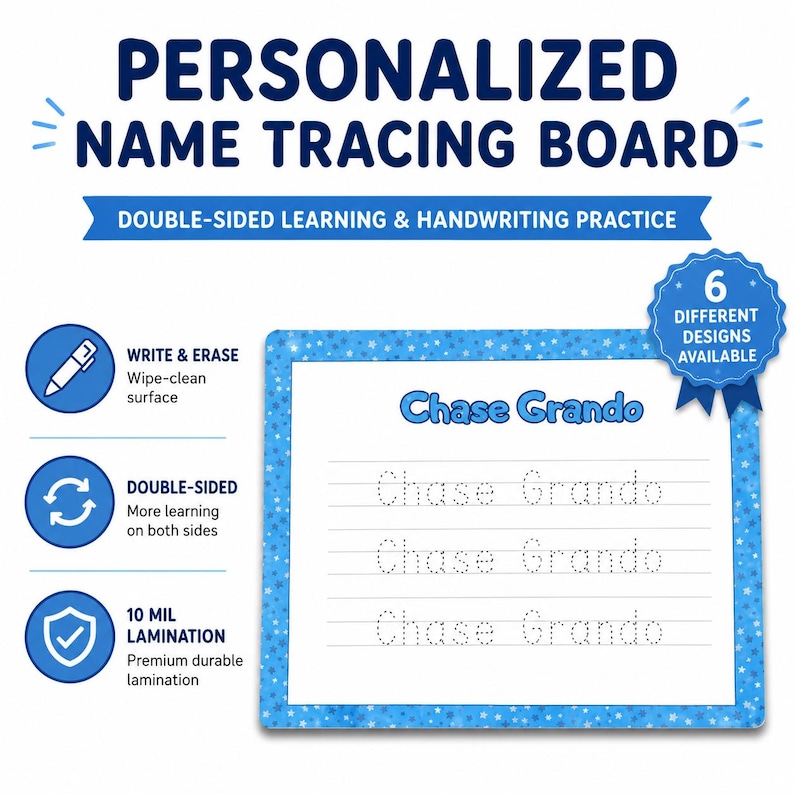
A Simple Name Tracing Routine Preschoolers Can Actually Enjoy
Build a calm, repeatable name tracing routine with short sessions, playful prompts, and practical ways to keep early writing pressure-free.
Read the guideJournal topic
Find low-pressure ideas for name tracing, printable learning displays and Russian alphabet games that make letters easier to revisit through play.
Start with the moment you have
Children can meet letters in many useful contexts: in their own name, on a learning poster, in a favorite book or during a matching game. These activities do not need to follow a fixed alphabet order or test what a child remembers. Pointing, listening, comparing shapes and recognizing one familiar letter are all valid ways to participate.
Choose the guide that matches your immediate goal. The name-tracing routine introduces a calm early-writing sequence, the poster guide helps create a clear and durable learning display, and the Russian alphabet games turn a small set of Cyrillic cards into repeatable play. In bilingual homes, keep sessions brief, use familiar words and allow recognition to develop before expecting recall.
Practical guides
20 in-depth guides in this topic.
Build a calm, repeatable name tracing routine with short sessions, playful prompts, and practical ways to keep early writing pressure-free.
Read the guide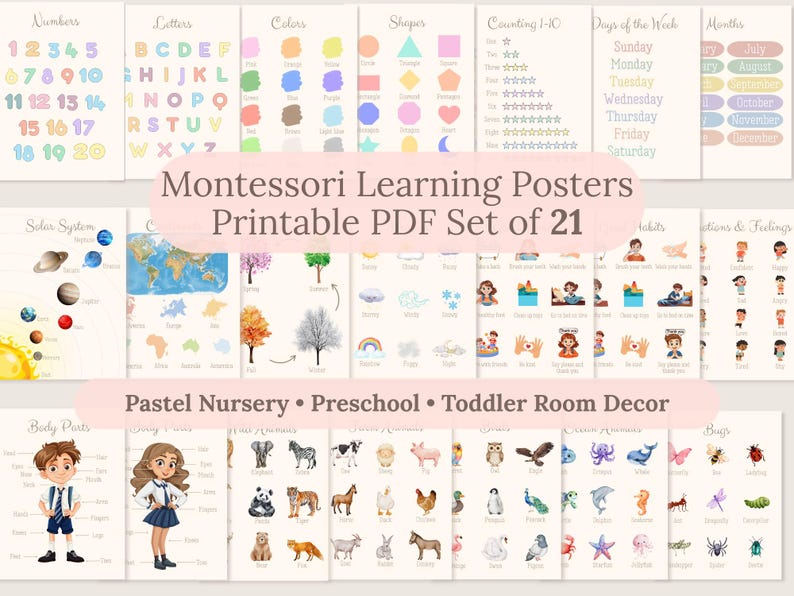
Get cleaner printable educational posters by checking file size, paper, printer settings, trimming, color, and child-friendly display options.
Read the guide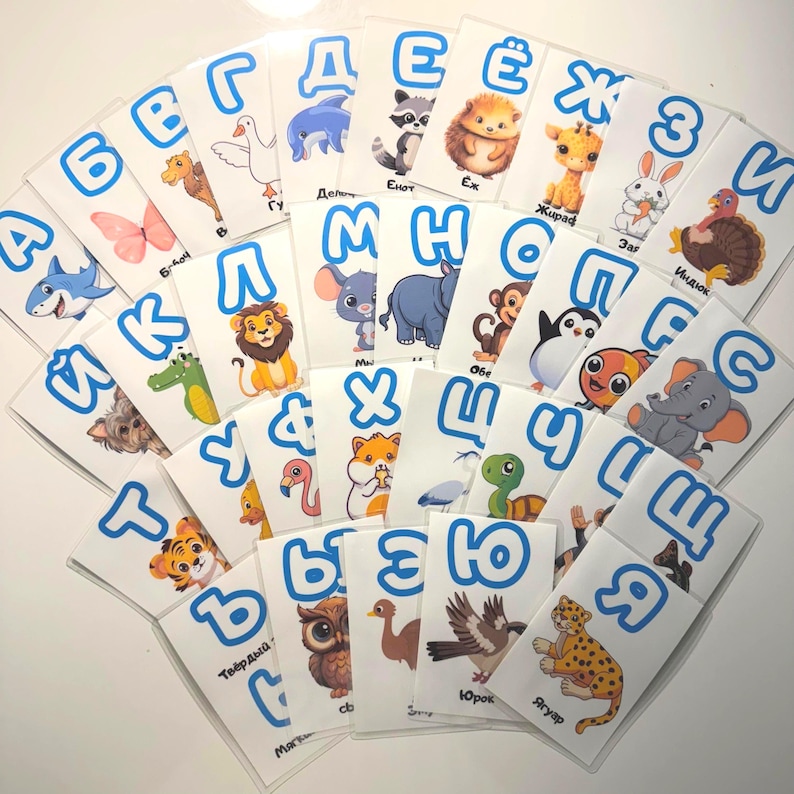
Practice recognizing Cyrillic letters through eight low-prep games using printable or ready-made Russian alphabet flashcards.
Read the guide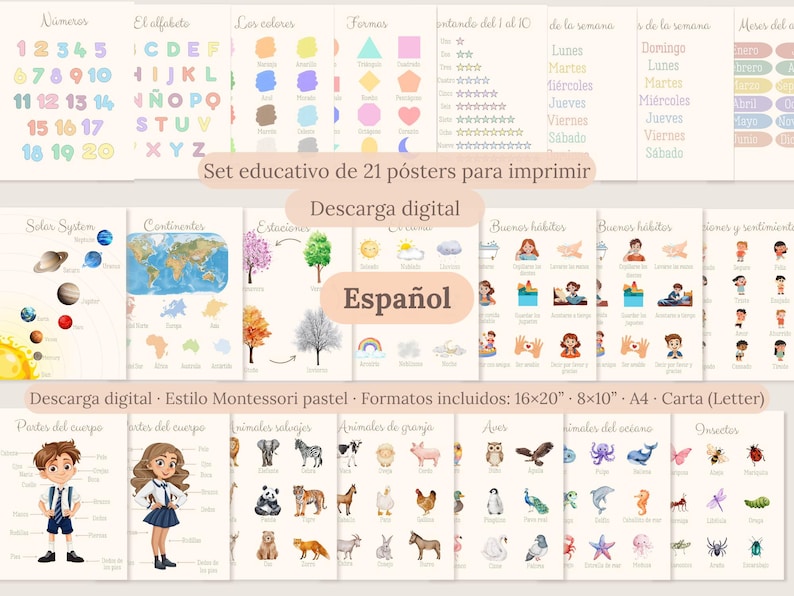
Turn Spanish educational posters into short bilingual preschool routines with pointing, movement, picture talk, daily-life connections, and gentle repetition.
Read the guide
Wondering when to introduce letter tracing? Look for interest, offer simple paths first, and use playful alternatives when your child is not ready.
Read the guide
Try six simple pre-writing line activities using roads, rain, hills, and pretend delivery routes, with easy ways to adjust the challenge.
Read the guideHelp your child notice their written name through matching, family labels, and playful searches before asking them to trace or write it.
Read the guide
Make long-name practice manageable with partial attempts, clear models, and real reasons to write, while preserving your child's actual name.
Read the guideCompare uppercase and lowercase practice, introduce useful letter pairs, and coordinate with your child's classroom without turning letters into a race.
Read the guideUnderstand the difference between tracing and copying letters, then try a simple side-by-side activity that leaves room for independent marks.
Read the guide
If tracing causes frustration, try seven alternatives that use drawing, stories, movement, and meaningful marks without forcing another worksheet.
Read the guideGive early writing a purpose with pretend menus, tickets, maps, and messages. Children can draw, dictate, scribble, or use familiar letters.
Read the guide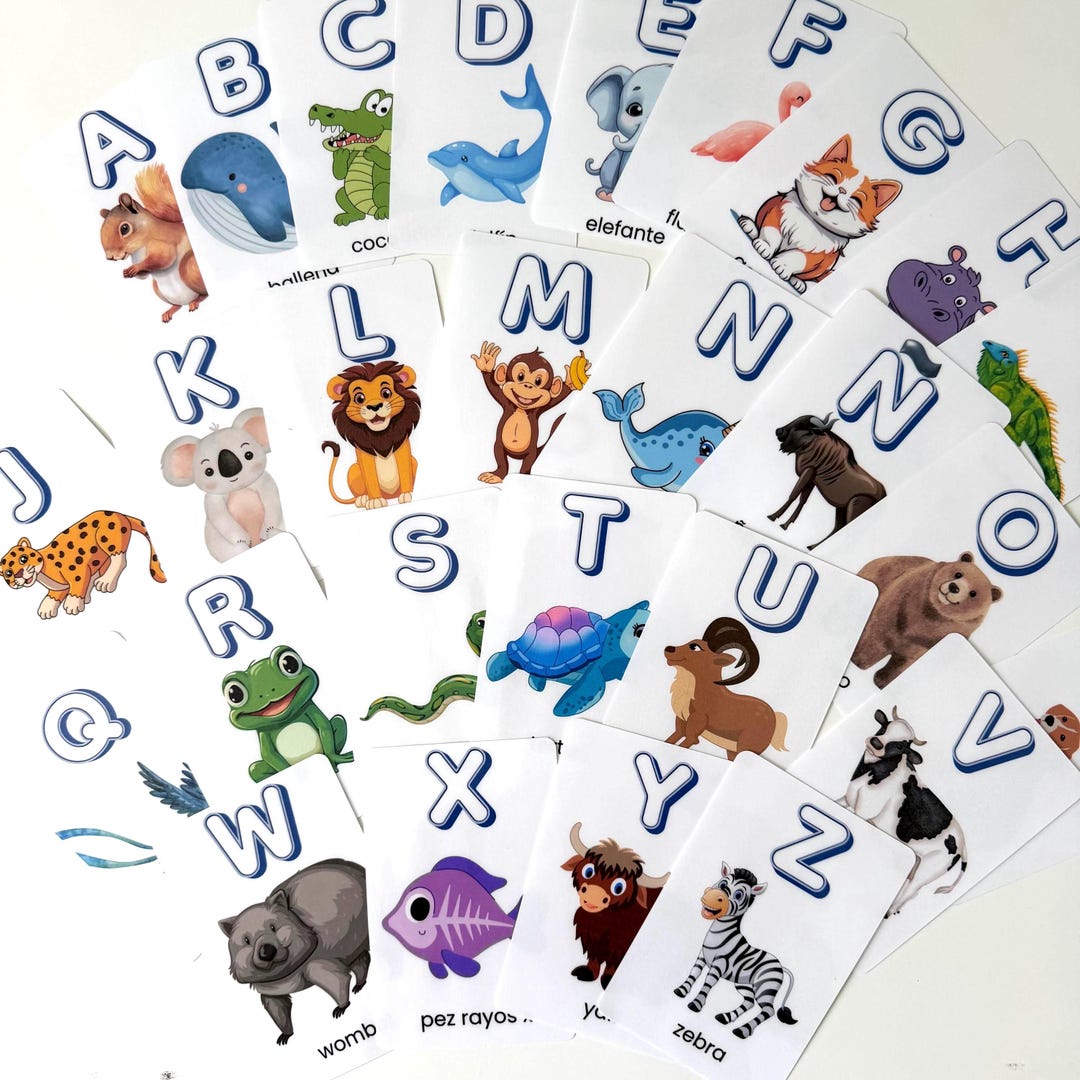
Use Spanish alphabet cards for matching, picture talk, letter searches, and tiny stories, without expecting flashcards alone to teach a language.
Read the guideExplore Russian and English letters that share a shape but may represent different sounds, using simple comparisons and familiar names.
Read the guideBuild a flexible bilingual routine with shared books, family messages, songs, and familiar print, while making room for the languages your family uses.
Read the guideTurn a flashcard into a conversation, story, or real-world connection. Learn what a brief labeling game can do and where its limits are.
Read the guideChoose a few relevant learning posters, place them for comfortable shared viewing, and connect each display to something your child actually does.
Read the guideCompare printable resources and ready-made activity books by preparation, flexibility, materials, and total cost before choosing a format.
Read the guidePrint one tracing-card test first, compare full-page and smaller formats, and prepare the surface correctly before giving it to your child.
Read the guideSet up a compact learning corner with a clear surface, a few useful materials, and safe storage. A dedicated playroom is optional.
Read the guideGood to know
There is no single required starting age. Follow the child’s interest and the age guidance for each material. Looking at a letter, hearing its name or finding it in a familiar word can come before tracing or recalling it independently.
No. Tracing is one possible way to explore letter shapes. Children can also match cards, find letters in names, point to posters, form shapes in the air and listen to words that begin with a chosen letter.
Work with a small number of letters or cards at a time and connect them to familiar pictures and spoken words. Use each script clearly, repeat short games regularly and avoid turning every activity into a quiz.
Explore every journal topic