Set up play dough for independent choices and close supervision
Play dough invites children to roll, pinch, press, flatten, and combine shapes. Those actions provide varied practice for small hand movements, but the activity does not need to look like an exercise. Put out one color, a wipeable mat, and two or three suitable tools. A small setup leaves room for invention and makes the end-of-play cleanup feel possible rather than overwhelming.
Follow the age and safety information for the dough and every accessory. Play dough is not food, and an adult should supervise, especially when a child still explores objects with the mouth. Avoid loose decorations or small tools that are not appropriate for the child. Check allergy information and household requirements before choosing materials, and replace any tool that is cracked, sharp, or difficult to clean.
Day one: roll, stop, and compare
Begin with three invitations: roll a long snake, roll a tiny ball, and make a flat pancake with the palm. Compare the pieces using everyday words such as long, short, round, flat, thick, and thin. Then join the snake into a circle or arrange several balls from small to large. There is no model to copy exactly; the language simply helps the child notice how hand movements change the material.
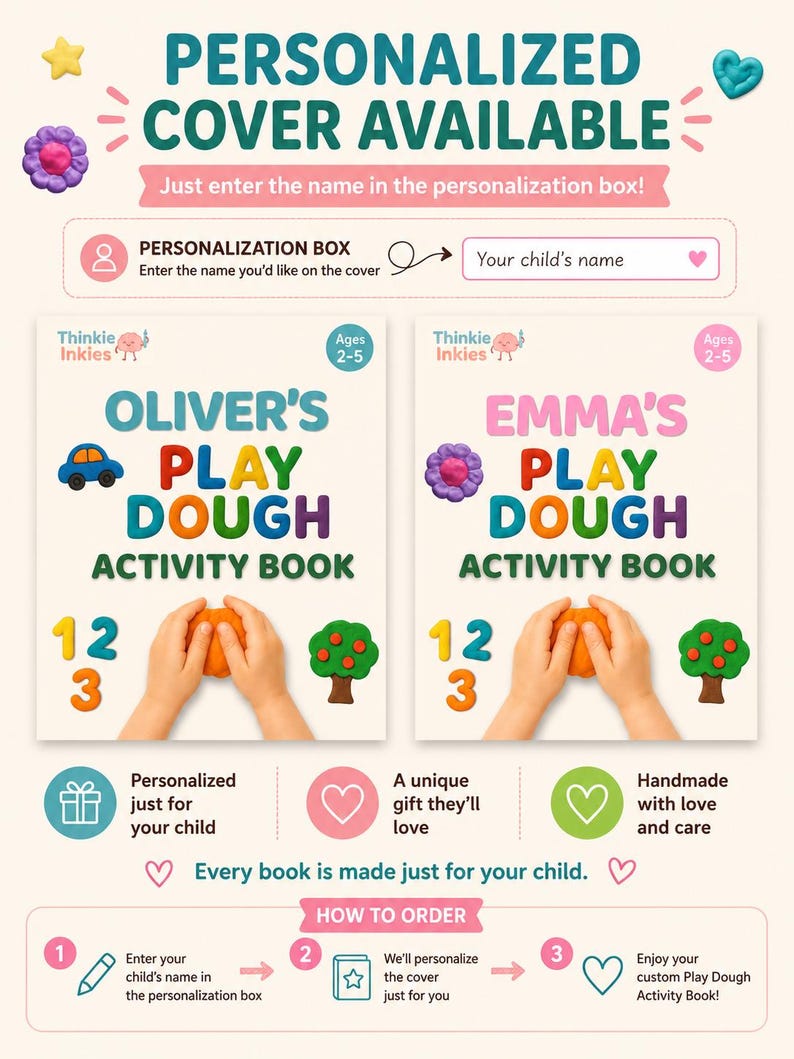
A play dough activity book can provide a clear place to add these pieces, such as filling a picture, completing a path, or decorating a scene. Use only dough that the product instructions allow on its surface, and clean the page as directed. If the child prefers free play beside the book, keep the prompt visible without insisting that the dough land in a particular spot.
Days two and three: pinch, press, and make patterns
For day two, make a large dough mound and pinch around its edge to create petals, spikes, or pretend sun rays. Pull off pieces to make food for a toy, buttons for a dough coat, or spots for an imaginary animal. For day three, press safe household textures into the dough: the broad end of a suitable block, a large fork used with supervision, or a textured dough tool.
Turn the prints into a simple pattern by alternating two tools. Say the pattern aloud together, then let it change whenever the child wants. You can also press large letter shapes or draw a line with a fingertip. Keep expectations open. A row that begins as a pattern may become a road, a birthday cake, or a creature, and that change of plan is part of the play.
Days four and five: build a story
On day four, create a pretend bakery with three basic forms: balls become buns, coils become twists, and flat circles become cookies. Use a plate intended for play, take imaginary orders, and count only as far as the game remains enjoyable. On day five, build a tiny landscape with a road, pond, tree, and home. Add suitable toy figures if they are already part of supervised play.
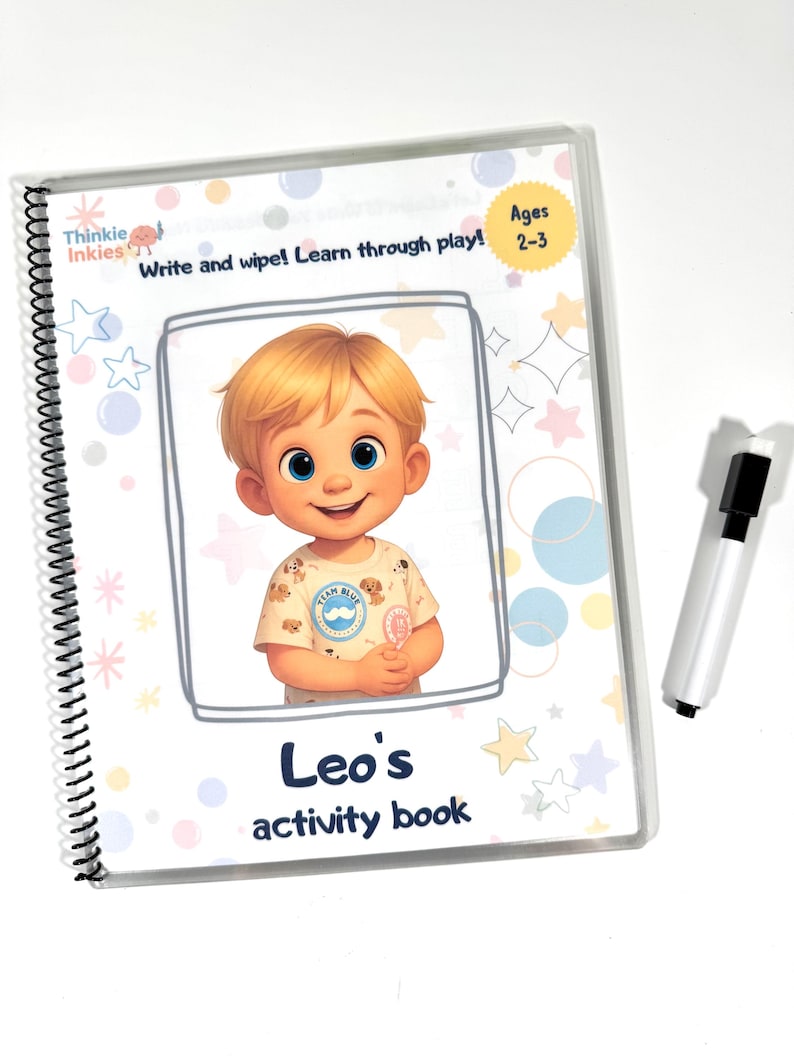
Story prompts can come from a picture in the play dough activity book: Who lives here? What are they making? Where will the road go? Accept one-word answers, gestures, or the child’s completely different story. The adult’s role is to keep materials safe and add possibilities, not to direct every detail. Photograph the creation if the child wants, then enjoy squashing it back into a ball.
Three bonus ideas and an easy cleanup rhythm
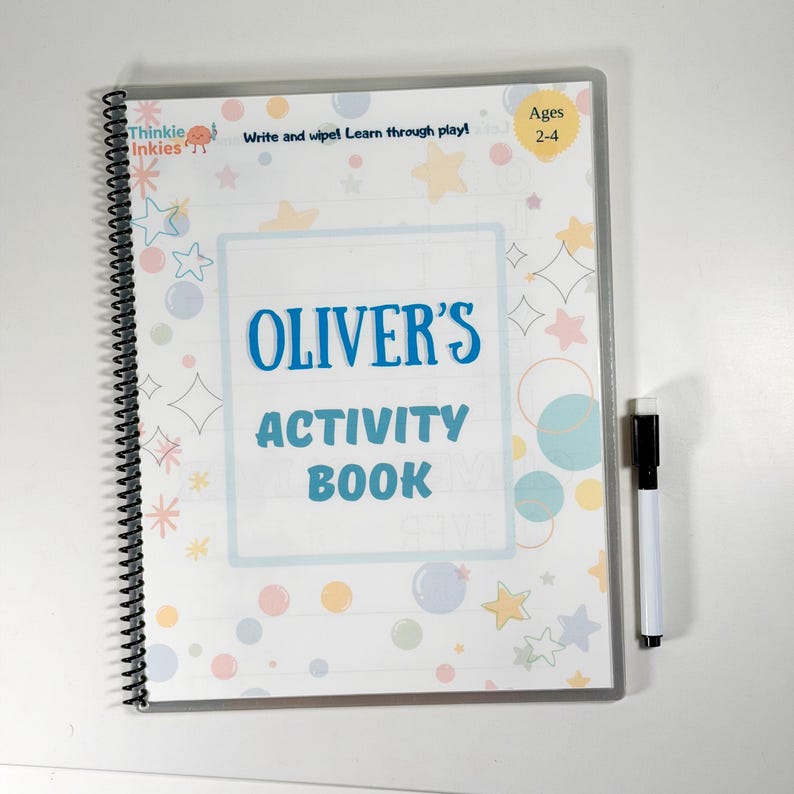
For another day, hide a large, washable play tool partly under the dough and uncover it with fingers. Make faces by adding dough eyes, brows, and mouths to a reusable portrait prompt. Or form the first letter of the child’s name with one thick coil, using a name tracing board as a visual reference rather than placing dough on a surface not designed for it. Each idea connects familiar play to a new theme.
End with the same three steps: gather the dough, check the floor and tools, and store or dispose of materials according to their instructions. Wipe the play surface and wash hands. Keep a note of the two prompts your child returned to; those are worth repeating next week. The screen-free toddler activity guide offers more low-prep choices for days when dough is not practical.
- Offer fewer tools when attention feels scattered.
- Repeat favorite actions instead of requiring a finished object.
- Keep play dough separate from surfaces unless their care guidance permits it.
Every child develops differently. Use age guidance, supervise activities and choose materials appropriate for your child and home.
Written and reviewed by the ThinkieInkies team behind these learning tools. Product details are available in the linked product listings; general learning ideas are provided for inspiration and should be adapted to each child with adult supervision.