Good restaurant activities fit a small space, keep materials away from food and hot dishes, and end easily when the meal arrives. They do not need to keep a child silent or occupied for an entire long dinner.
Choose the restaurant and timing with the child's needs in mind. An activity bag cannot compensate for every long wait, tired evening, or uncomfortable environment.
Start with a no-supplies game
Look at a menu illustration or a picture in a book. Take turns noticing one detail. You might say, “I see something round,” and let the child point rather than requiring a spoken answer.
Keep attention on your own table and shared materials. Avoid turning other diners into subjects for observation or encouraging the child to walk around the dining area.
Draw a pretend order
On paper, invent a meal for a toy or imaginary character. The child can draw the food while you add words they dictate. Ask one useful question, such as what the character would like to drink, rather than testing vocabulary repeatedly.
When actual food arrives, say that the pretend restaurant is closing. Put the paper and tools away before rearranging plates.
Try a compact reusable page
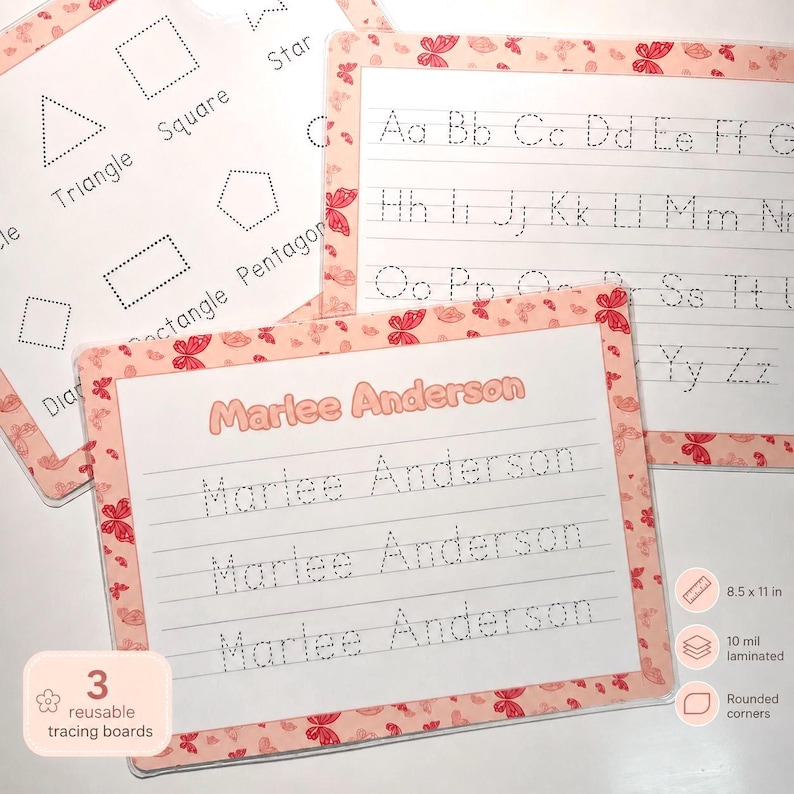
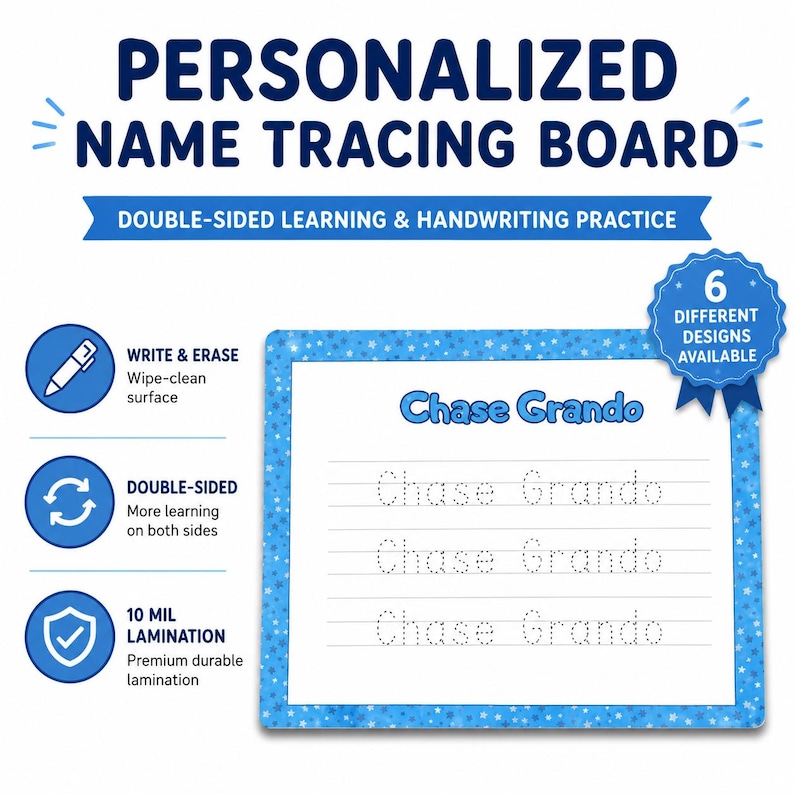
A name tracing board may fit a small bag more easily than a large book. Check its dimensions and use only the recommended materials under supervision. The adult should manage marker caps and keep the board out of spills and serving paths.
The child can point to a familiar letter or invent a story about a mark. There is no need to complete a writing task during the wait.
Use a story you can pause
Take turns adding one sentence to a pretend journey. “A little rabbit found a door.” The child decides what happens next. If speaking feels tiring, offer two possibilities or let them make an action instead.
A story is easy to pause for ordering or a server's question. It also leaves no pieces to retrieve from under the table.
Plan the ending before opening the bag
Tell the child that materials will go away when food arrives. Give a brief reminder when you see the meal coming, then help with the final step. If the child wants to preserve a drawing, fold it into the bag rather than insisting on erasing it immediately.
Choose tools that are easy to collect. Avoid messy dough, strong-smelling materials, tiny pieces, and anything that would require using restaurant dishes as craft equipment.
What if the wait becomes too long? An adult can ask about timing, simplify the order if practical, or take a supervised break outside when appropriate. More activities are not always the answer.
Use the travel bag checklist to keep a few options ready. For medical appointments, our waiting-room plan adds ideas for interruptions and a child's questions about what happens next.
Every child develops differently. Use age guidance, supervise activities and choose materials appropriate for your child and home.
Published by ThinkieInkies. General play ideas, not clinical advice. Product details are available in the linked product listings; general learning ideas are provided for inspiration and should be adapted to each child with adult supervision.