Preschoolers encounter both uppercase and lowercase letters in real life. You do not have to choose one alphabet and hide the other. For a home activity, begin with a small set of meaningful letters, show their forms clearly, and follow the approach used by the child's teacher when applicable.
Different children find different shapes easier to notice or draw. A universal promise that one case is always the best starting point misses that variation.
Separate recognizing letters from forming them
A child may recognize a lowercase letter in a book but prefer drawing its uppercase partner. Recognition and handwriting are different tasks. You can point out both forms without expecting the child to produce both.
For example, show a large M and a small m on two cards. Explain that both can represent the letter M. Let the child find one in a familiar name or book. Save the question of writing it for another invitation.
Use names as a practical reference
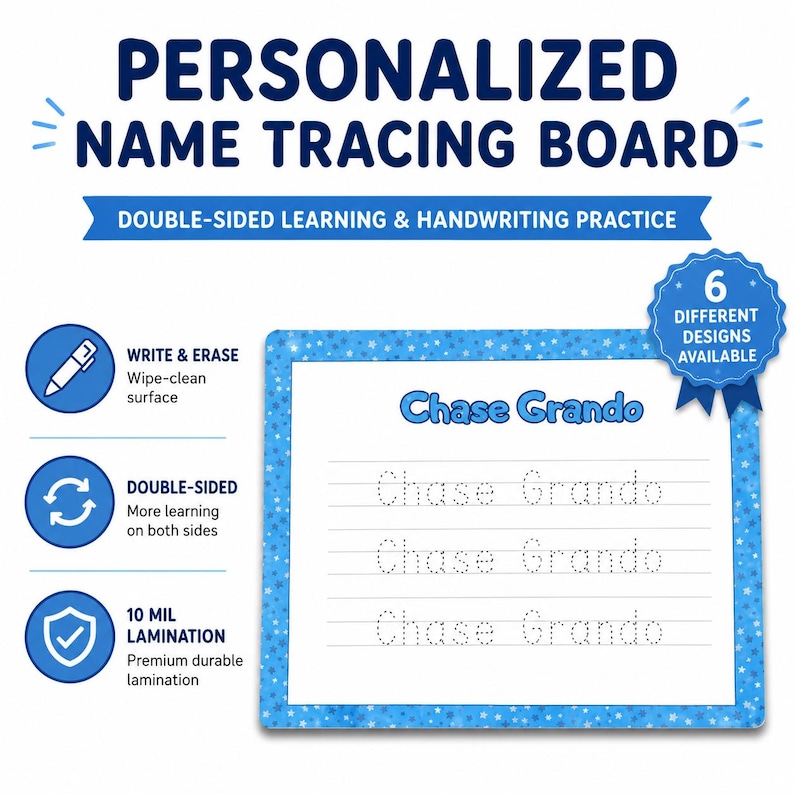
Show the child's name in the form your family and school use. A name such as Maya gives you a capital at the beginning and lowercase letters afterward. If a favorite sign uses all capitals, explain that the same word can look different in different places.
Avoid changing the model back and forth without explanation. Consistency within a short activity is easier to compare than several decorative fonts and cases at once.
Try a small letter-pair game
Choose two letters, not the whole alphabet. Write each uppercase form on one card and its lowercase partner on another. Keep a complete reference pair visible.
Place one capital in front of the child and offer two possible partners. Compare their shapes together. Some pairs look similar; others look quite different. If the child wants a story, imagine the pairs are meeting for a picnic rather than racing against a timer.
After matching, ask the child to choose one letter to draw, build with dough, or find on a page. That choice connects recognition to a different activity without demanding a worksheet.
What about the alphabet song?
Enjoy the song, but do not use singing it as proof that a child recognizes every printed letter. Likewise, tracing a letter does not automatically mean the child knows its sound. Keep names, sounds, matching, and writing connected through conversation while allowing them to develop at different rates.
For a clearer distinction between following a model and making a letter beside it, read tracing versus copying.
Choosing pages that help you compare
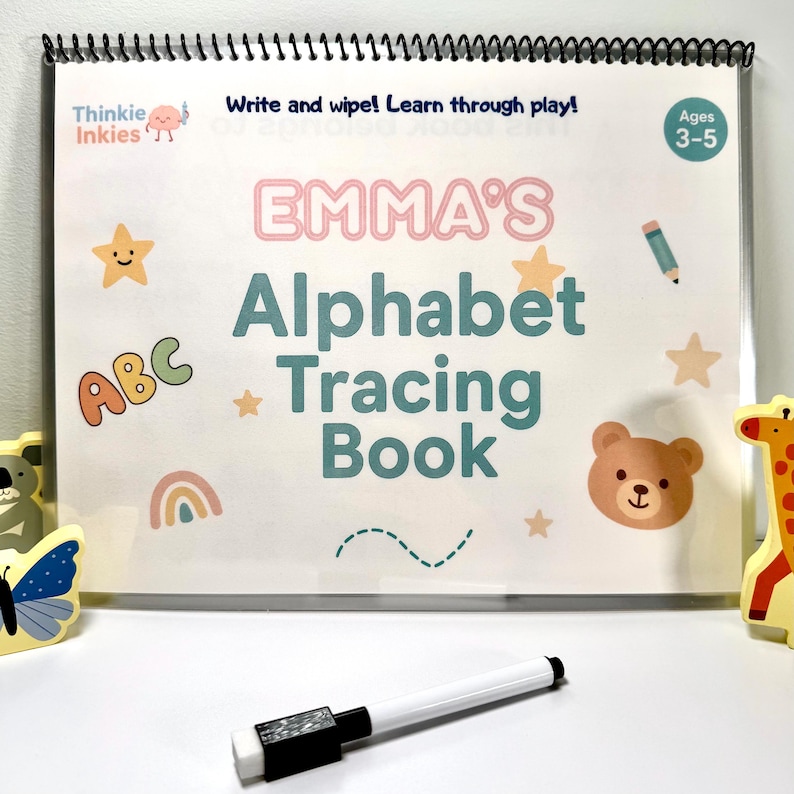
Preview the lettering and layout in a personalized alphabet tracing book before buying. Choose clear examples and enough space for the child's current interest. Use the letter-tracing readiness guide if you are unsure whether to introduce writing yet.
Do we need to master capitals before seeing lowercase? No. Everyday books already contain both. Keep the activity small, meaningful, and compatible with classroom guidance instead of making mastery of one set a gate to the other.
Every child develops differently. Use age guidance, supervise activities and choose materials appropriate for your child and home.
Published by ThinkieInkies. General play ideas, not clinical advice. Product details are available in the linked product listings; general learning ideas are provided for inspiration and should be adapted to each child with adult supervision.