
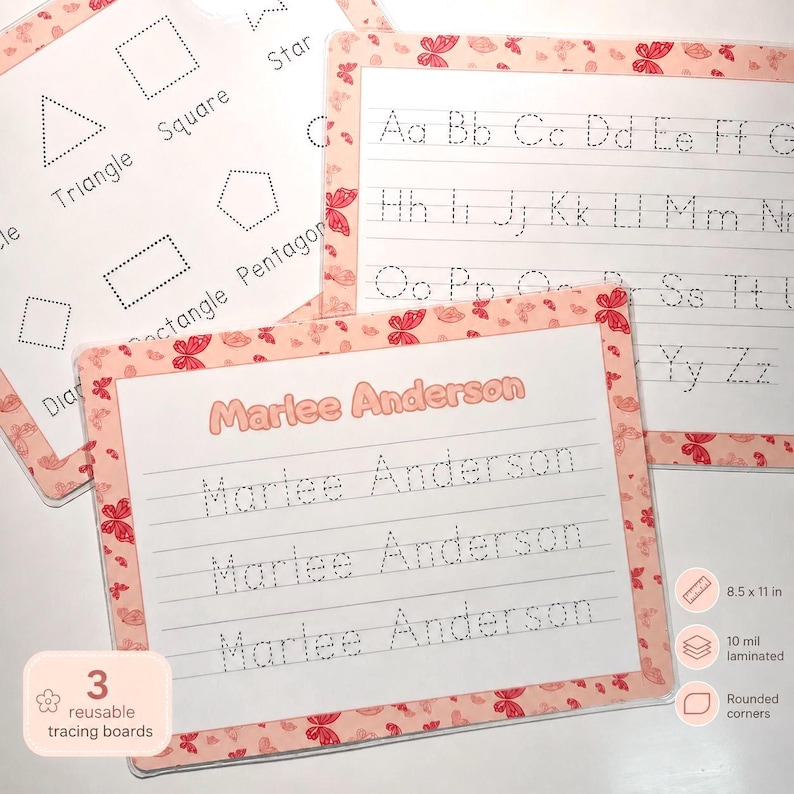
The Complete Write-and-Wipe Guide for Reusable Kids’ Activities
Learn how to set up, use, clean, and rotate write-and-wipe activities for low-mess practice with letters, numbers, shapes, and names.
Read the guideJournal topic
Explore realistic preschool learning activities for early writing, reusable books, screen-free play and fine motor practice in short, child-led routines.
Start with the moment you have
Preschool learning at home does not need to look like a formal lesson. A short tracing prompt, a movement game or a few minutes with play dough can give a child a manageable way to notice shapes, words, patterns and everyday language. Begin with five or ten unhurried minutes, follow the child’s interest and stop before the activity becomes a struggle.
Use this collection to choose an activity that fits the moment. Write-and-wipe pages work well for repeatable table play, the screen-free activity menu offers movement and quiet choices, and play dough adds rolling, pressing and pretend play. Put out only a few suitable materials, follow their age and care guidance, and supervise throughout.
Practical guides
29 in-depth guides in this topic.
Learn how to set up, use, clean, and rotate write-and-wipe activities for low-mess practice with letters, numbers, shapes, and names.
Read the guideFill a week with easy screen-free toddler activities using paper, household objects, play dough, reusable books, movement, and imagination.
Read the guide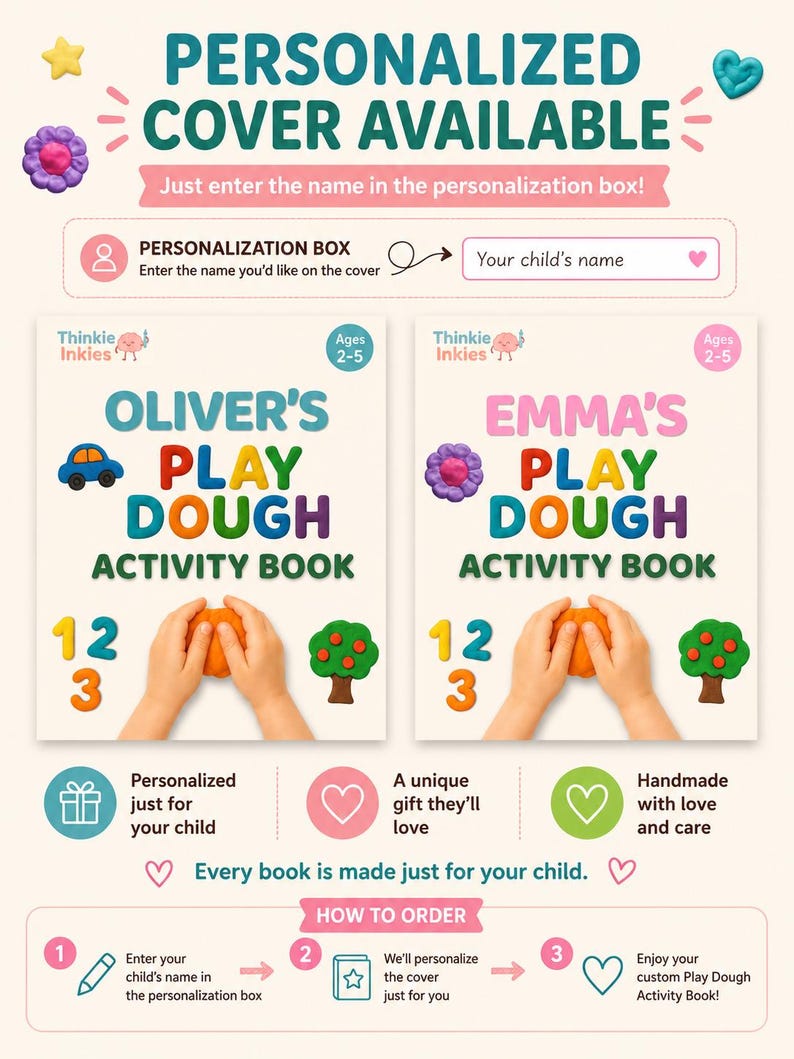
Use rolling, pinching, pressing, cutting, and pretend play to create a week of simple play dough activities with minimal preparation.
Read the guideCompare busy books, felt quiet books, and laminated activity books by format, setup, portability, supervision, and the way your child likes to play.
Read the guideTry simple counting games that connect one number word with one object, using toy picnics, parking spaces, and small groups of familiar items.
Read the guideA child may count aloud, recognize numerals, and count objects at different levels. Learn how to connect the three through simple everyday play.
Read the guideExplore shapes by building, turning, comparing, and searching. These preschool activities move beyond naming a picture on a flashcard.
Read the guideSet up simple color sorting with large paper pieces, familiar objects, and two clear groups. No rice bin, tiny counters, or elaborate supplies needed.
Read the guideIntroduce repeating patterns through claps, movements, large shapes, and pretend trains, with clear examples of what actually repeats.
Read the guideExplore letter shapes with rolling, bending, and comparing. These play dough alphabet ideas welcome imperfect letters and child-led designs.
Read the guideUse number mats to connect printed numerals with small quantities. Try counting, comparing, and changing a collection without a timed worksheet.
Read the guideSet up a small pretend bakery with play dough, paper menus, and simple orders. Use the story for counting, describing, and taking turns.
Read the guideCompare guided play, free play, and worksheets, with examples that show where an activity book can fit into a varied preschool day.
Read the guideCreate a short preschool routine with one invitation, one shared activity, and a clear ending. Adapt it to busy days without building a rigid schedule.
Read the guideBuild a quiet-time basket with a few predictable choices, a clear supervision plan, and materials that are easy to put away and use again.
Read the guideHelp a preschooler choose and begin a familiar activity while keeping supervision appropriate. Independence does not have to mean playing alone.
Read the guideUse a small keep, rest, and revisit system to rotate preschool activities, notice real interests, and reduce the pressure to buy something new.
Read the guide
Prepare for kindergarten through conversation, everyday routines, play, and asking for help, without treating neat handwriting as the whole goal.
Read the guidePack a few manageable airplane activities for a preschooler, with separate ideas for the gate, a seated wait, and the moment everyone needs a reset.
Read the guide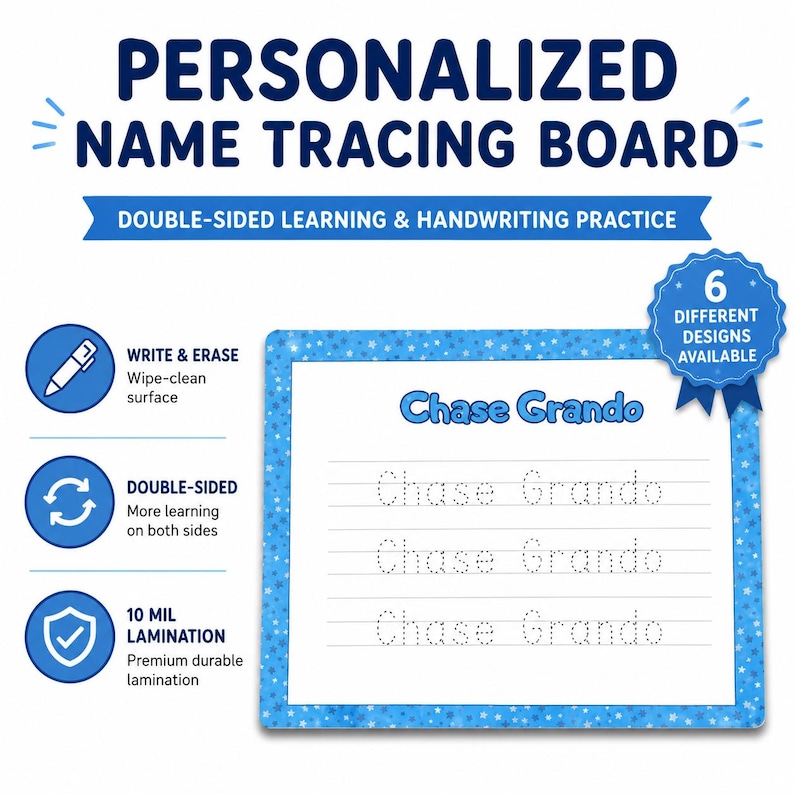
Try low-mess restaurant activities that fit a small table and stop easily when food arrives, including picture searches, drawing, and oral games.
Read the guidePrepare simple waiting-room activities that pause quickly when your name is called, while leaving room for your child's questions and comfort needs.
Read the guideUse no-supplies car games and save hands-on activities for safe stops. This road-trip plan separates seated travel from opportunities to move and play.
Read the guidePack a small preschool busy bag with familiar materials, adult-managed tools, and a reset checklist so it is ready for the next outing.
Read the guideTry pumpkin deliveries, ghost parking spaces, and paper costume patterns for simple Halloween counting and sorting without using candy as counters.
Read the guide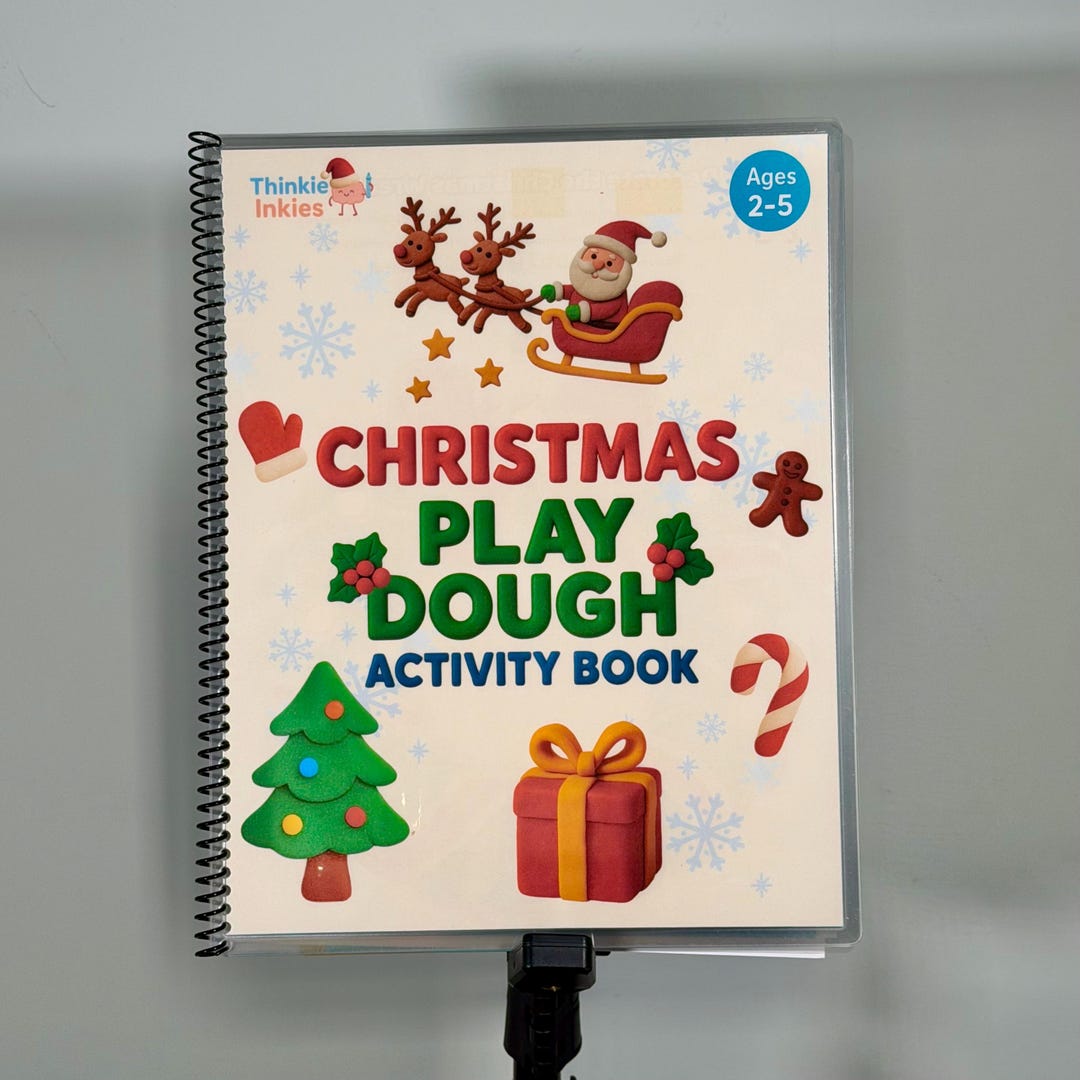
Make a pretend Christmas bakery, decorate a dough tree, and count simple gift shapes with adaptable holiday play dough activities for preschoolers.
Read the guide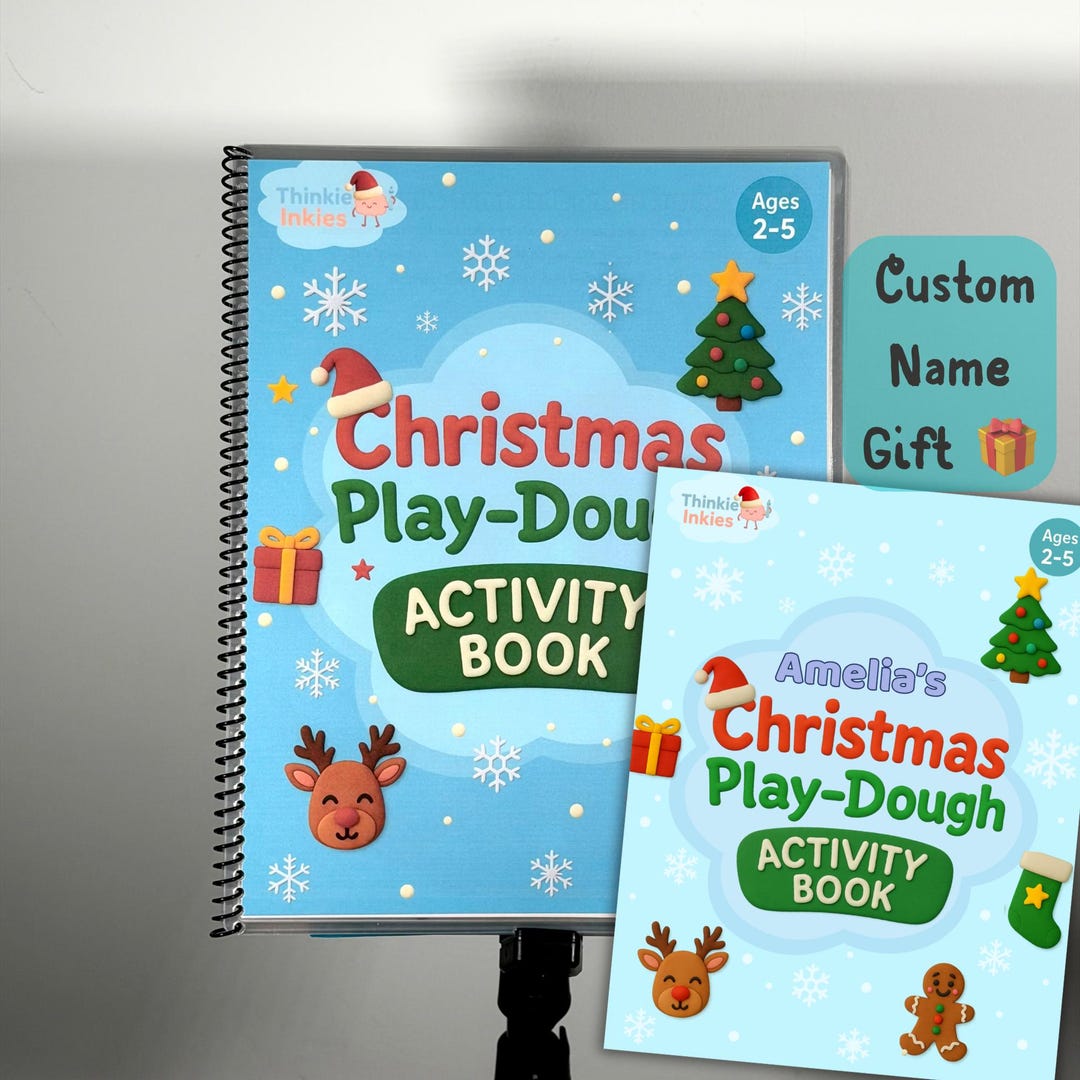
Choose from 24 small Advent activities using stories, drawing, movement, and family connection. This flexible calendar needs no daily purchases.
Read the guide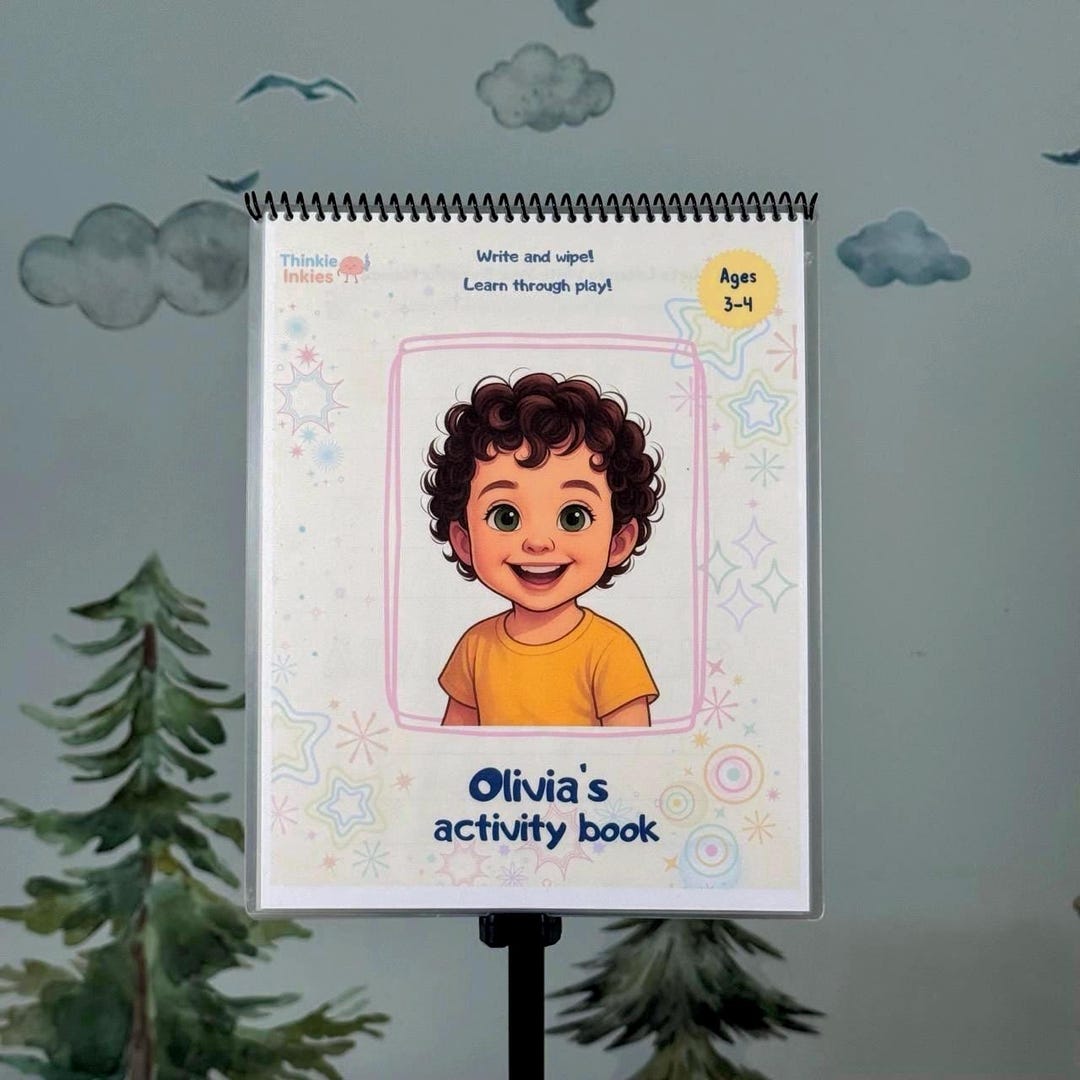
Explore gratitude through drawings, pretend thank-you notes, and real acts of help, without requiring children to produce the right holiday answer.
Read the guidePlan a flexible summer with stories, useful marks, counting, and everyday routines. Repeat four themes without turning school preparation into homework.
Read the guideCreate a small indoor activity circuit with movement, drawing, building, and storytelling, using clear spaces and materials you already have.
Read the guideGood to know
Any age-appropriate play that invites a child to notice, move, talk, match or use their hands can support an everyday learning routine. Sorting safe household objects, tracing a familiar shape, talking about a picture and rolling play dough all count; a worksheet or perfect finished result is not required.
Start with five to ten minutes and respond to the child rather than the clock. Some children will finish sooner, while others may repeat one simple action several times. Calm repetition is often more useful than extending an activity after attention has faded.
Keep two or three choices visible and store the rest temporarily. Swap them after several days, or change the prompt while keeping the same material—for example, use play dough for paths one day and pretend food another.
Explore every journal topic