
Color sorting can start with two groups and a few large objects. You do not need a sensory bin full of small materials or a child who already names every color. Matching what looks alike is a useful place to begin.
Choose materials that suit your child's age and behavior. Large paper pieces and appropriate toys are preferable to tiny counters when a child still puts things in their mouth.
Set up two clear places
Place a large blue sheet and a large yellow sheet on the table. Offer a few objects in those colors. Put one blue object on the blue paper and describe the match.
Then pause. The child might copy you, make a different group, or begin a pretend game. You can join their idea and return to sorting later. There is no need to correct every choice immediately.
If the colors are hard to distinguish, choose materials with stronger contrast and good lighting. Do not use a single sorting activity to draw conclusions about a child's vision or development.
Try a laundry game
Use large, clean fabric items without loose cords or detachable pieces. Invite the child to make two piles by color. An item with several colors creates a conversation: “It has blue and yellow. Where would you like it to go?”
You can create a third “more than one color” group if the child wants. That is a change in the sorting rule, so explain it rather than treating the item as an exception the child should already understand.
Make a paper delivery service
Draw two large houses in different colors. Cut large paper parcels in matching colors and invite the child to deliver each one. Keep the story simple enough that sorting remains visible.
After a few deliveries, let the child become the dispatcher and tell you where a parcel belongs. Deliberately asking for help is more inviting than pretending to make mistakes over and over as a hidden test.
Change the rule on another day
The same pieces can later be sorted by size or shape. Say, “Yesterday we grouped colors. Today let's look for circles.” Our shape activities give examples of comparing features.
Avoid asking for several rules at once until the child wants that challenge. “Find a small blue triangle” involves more information than “Find blue.” You can make a game easier simply by shortening the request.
Link the game to a page
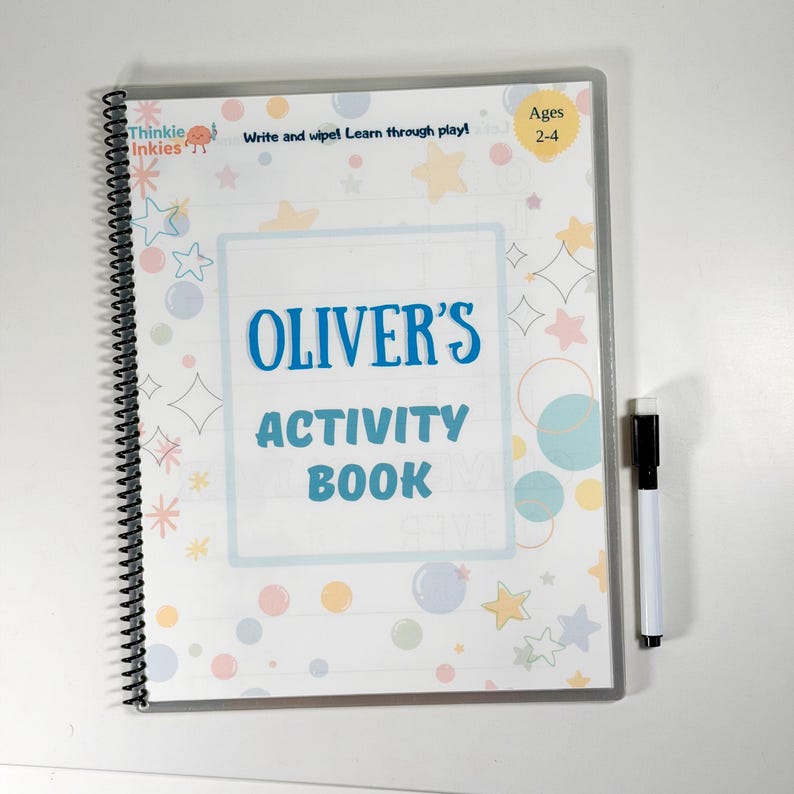
If the child enjoys matching on paper, look through a mixed activity book for a relevant page. Check the actual page preview before choosing a product; not every book uses the same topics.
Does my child have to say the color name? No. You can name it naturally while they match, point, or choose. For a different arranging game using the same materials, try preschool patterns.
Every child develops differently. Use age guidance, supervise activities and choose materials appropriate for your child and home.
Published by ThinkieInkies. General play ideas, not clinical advice. Product details are available in the linked product listings; general learning ideas are provided for inspiration and should be adapted to each child with adult supervision.