
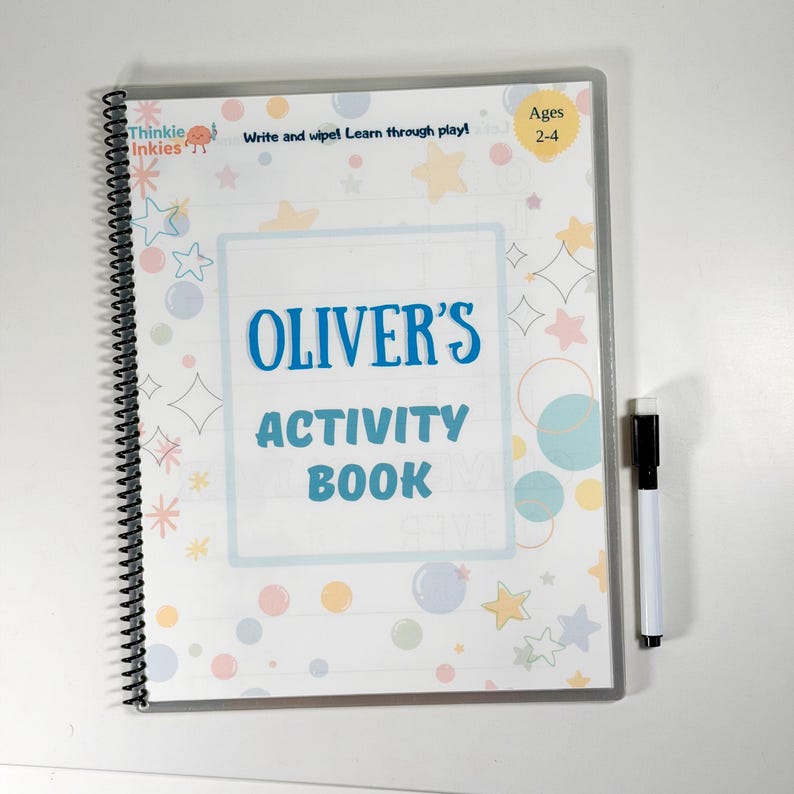
An activity rotation system changes which materials are visible while keeping the overall routine familiar. It can help a family organize what they already own. It does not need a complicated calendar or a new purchase every week.
Start with three places: activities in use, activities resting, and items that need repair or checking before another use.
Sort by the way a child participates
Instead of making one pile for every academic topic, group materials by experience: drawing, building, matching, storytelling, and movement. This makes it easier to see when the visible selection offers five writing tasks but no other way to play.
Choose a small mix that fits your space. Keep a familiar favorite available so rotation does not feel like having every comfortable option disappear at once.
Use a one-line observation
After play, record only what will help next time: “Liked making roads; needed the page held still,” or “Wanted to tell a story, not match pictures.” This is more useful than a score or a count of completed pages.
Do not create a tracking system that takes longer than the activity. A note on your phone or a paper card stored with the materials is enough.
Change one invitation
If a book has been ignored, try a different entry point before putting it away. Point to one picture, offer to draw together, or bring an appropriate real object into the game.
If the child still declines, rest the item. A product does not have to justify its purchase by being used every week. Interest may return later, and some materials will never be a good match.
Keep a simple weekly reset
Choose a convenient day to wipe compatible surfaces, check supplies, remove damaged materials, and swap one or two options. Follow each product's care directions rather than using the same cleaner on everything.
Put adult-managed markers, caps, scissors, and other unsuitable accessories in separate storage. A tidy shelf does not automatically make every item safe for independent access.
Reintroduce through a new purpose
A familiar name board might become a sign for a pretend shop. A counting page might follow a toy picnic. Reusing the material in a different story can be more inviting than saying it is time to finish the pages left undone.
Our pretend-play writing ideas and counting games provide examples. For a consistent time to offer the selection, use the five-minute routine.
Buy only to fill a real gap
If the child repeatedly requests a kind of activity you do not have, preview a relevant learning book. Compare it with materials already at home and check its actual contents.
How often should we rotate? When the selection no longer fits the child's interest or the household routine. A calendar can remind you to look, but it should not force you to remove an activity the child is still enjoying.
Every child develops differently. Use age guidance, supervise activities and choose materials appropriate for your child and home.
Published by ThinkieInkies. General play ideas, not clinical advice. Product details are available in the linked product listings; general learning ideas are provided for inspiration and should be adapted to each child with adult supervision.